

The University of British Columbia (UBC) stands as one of the most renowned technology-focused institutions in Vancouver. Celebrated for its outstanding achievements, diversity, academic excellence, and captivating campuses, UBC has firmly established itself as a global leader in education and research. Explore the history and milestones of this IT-focused university in the following sections on vancouver-future.
Foundation of the University of British Columbia (UBC)
The University of British Columbia (UBC) was founded in 1908 under provincial legislation. Before its establishment, higher education in British Columbia was provided by denominational colleges affiliated with McMaster University, the University of Toronto, and McGill University. In 1910, Point Grey was selected as the location for UBC’s Vancouver campus. However, the onset of World War I delayed construction, and UBC began operations in Fairview in 1915. Its affiliation with McGill University provided the foundation for its initial faculty and curriculum, focusing on arts, sciences, and engineering.
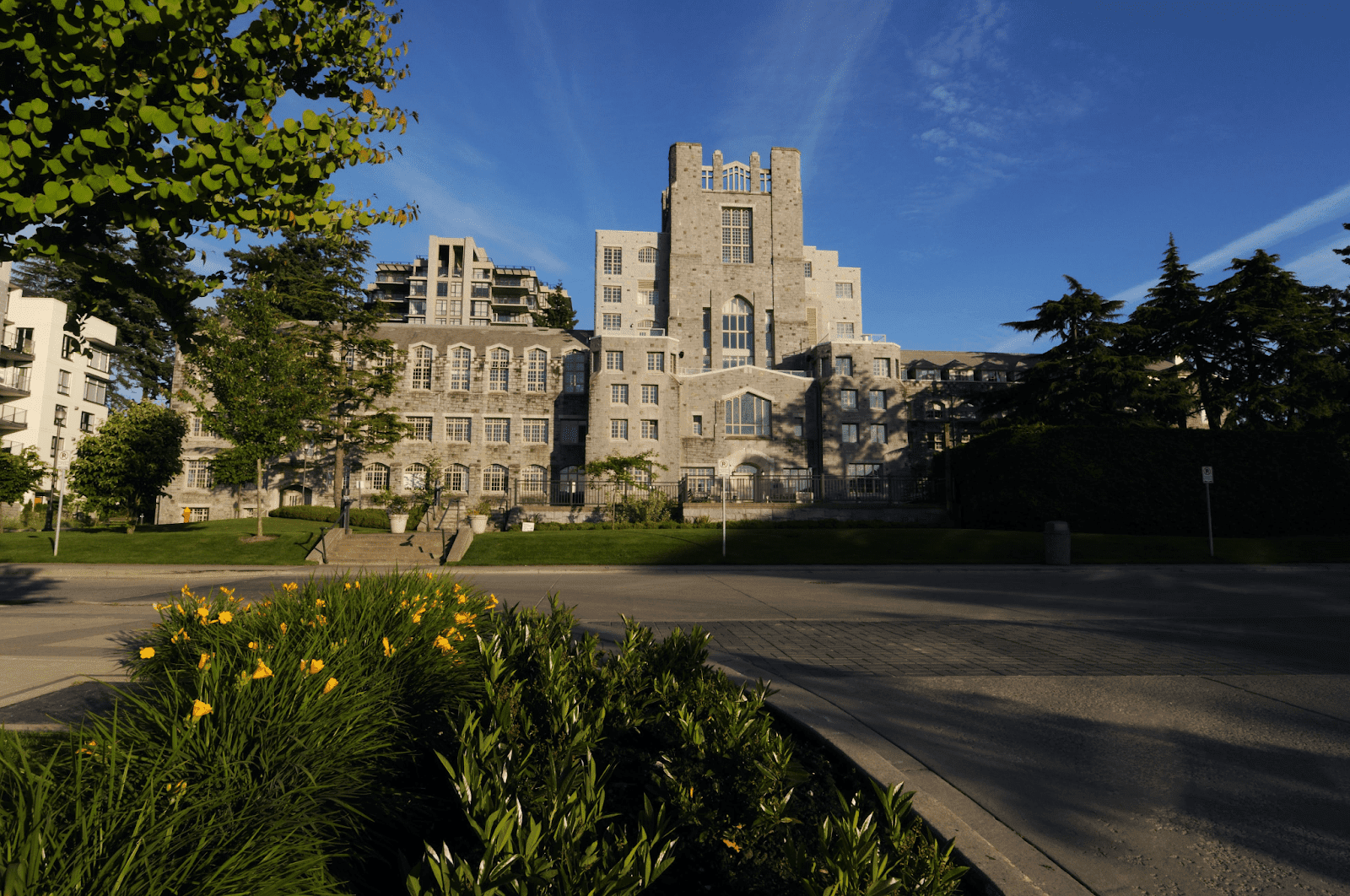
By 1919, the Faculty of Agriculture was established, and UBC pioneered nursing and public health programs, launching the first such course in the British Empire. In 1920, honors courses, continuing education services, and summer sessions were introduced. Victoria College, affiliated with McGill, became part of UBC. In 1925, the university moved to its permanent Vancouver campus. Campus expansion slowed during the 1930s, but academic developments included creating the University Extension Department (1936) and advancing programs in forestry and commerce.
Military Training and Growth
Military training became mandatory during World War I and II, with many faculty members serving in the armed forces or contributing to military research. Enrollment surged post-World War II, from 3,058 students in 1944-45 to 9,374 in 1947-48. Temporary army and aviation camps were converted into classrooms and housing. New buildings were constructed during the post-war period, and several new faculties were established, including Law (1945), Graduate Studies (1948), Pharmacy (1949), and Medicine (1950). Departments like Forestry (1951) and Commerce (1957) were elevated to faculty status. The Provincial Normal School was incorporated as the Faculty of Education (1956).
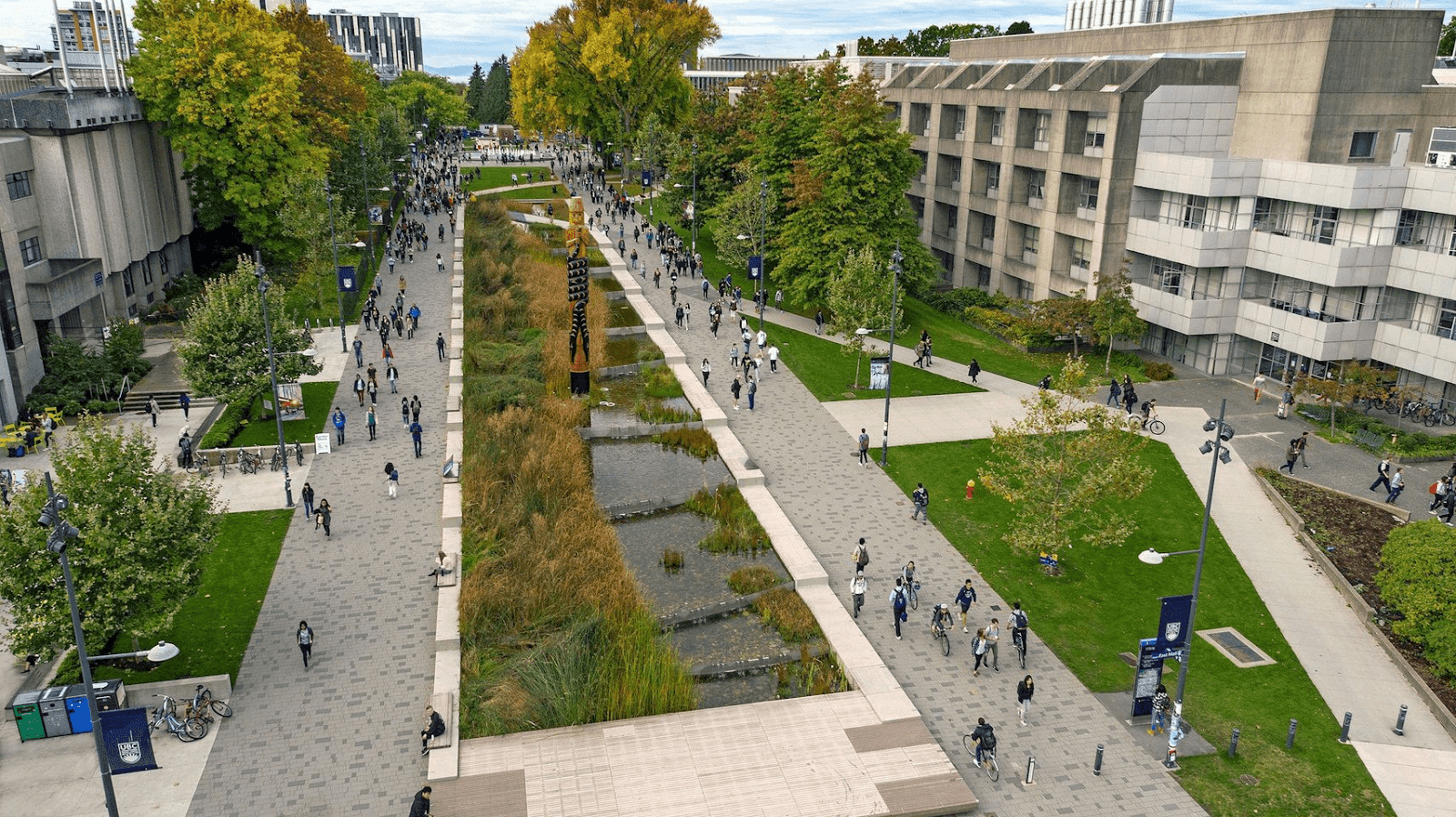
From the 1960s onward, UBC added new faculties, including Dentistry (1964), along with schools of Library Science, Rehabilitation Medicine, Audiology, and Speech-Language Pathology. In 1964, the Faculty of Arts and Science was divided into separate faculties.
Growth in the 1960s and Beyond
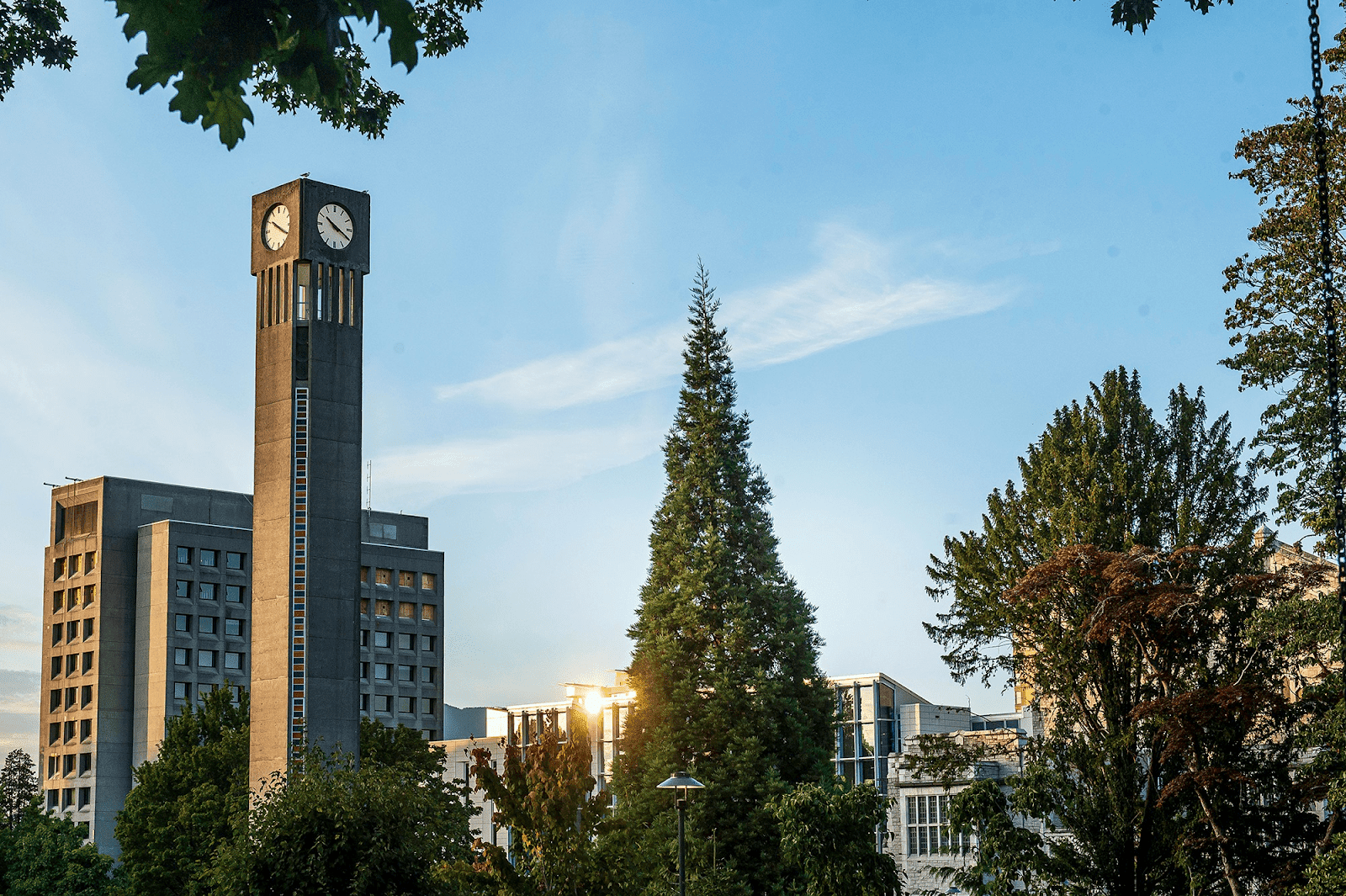
By the 1960s, UBC had become one of North America’s largest public research and teaching institutions. Over 4,000 faculty members served more than 56,000 students across two major campuses in Vancouver and Kelowna. The Vancouver campus alone houses approximately 473 buildings. UBC’s library, one of the largest in Canada, holds over nine million items, including extensive print and digital collections. Its computing facilities rank among the nation’s most advanced, further cementing UBC’s status as a hub of innovation and education.
Expansion and Campuses of the University of British Columbia
The University of British Columbia (UBC) has experienced substantial growth across all 18 of its faculties, 17 schools and colleges, and numerous institutes and research centers. This expansion reflects UBC’s commitment to broadening the frontiers of knowledge and research. The university has achieved remarkable milestones in fields ranging from forestry and genetics to medicine and international business. Research efforts even extend to Pacific Ocean studies, biomedical imaging, and environmental science, making UBC a hub for innovation.
In 1961, UBC underwent a significant transformation by initiating the construction of a major medical sciences center. This development marked a breakthrough not just for the university but for the entire country. The new facilities included academic buildings, a hospital with 600 beds dedicated to psychiatry, advanced care, and emergency services. This project established UBC as the home of the province’s medical school, offering programs across Canada. The medical school’s comprehensive infrastructure turned UBC into a magnet for students and researchers, cementing its reputation as a global leader in education and healthcare innovation.
Okanagan Campus
The UBC Okanagan campus, located in the growing city of Kelowna in the Okanagan Valley, opened in 2005 and has since doubled in size to 209 hectares. It offers diverse academic and research opportunities through schools like the Irving K. Barber School of Arts and Sciences, the College of Graduate Studies, and faculties focusing on creative and critical studies, education, applied science, management, and health and social development.
In addition to its main campuses, UBC operates two downtown Vancouver facilities. UBC Robson Square hosts Executive and Continuing Studies programs, while the Great Northern Way Campus, a joint project with three other institutions, offers digital arts programs. UBC further extended its global reach by opening an Asia-Pacific office in Hong Kong in 2005 and planning offices in Bangalore and Delhi.
Museums, Research Institutes, and Libraries
UBC’s Museum of Anthropology houses one of the world’s leading collections of Indigenous art and artifacts from the Northwest Coast. The university also boasts a 44-hectare botanical garden and a plant research center open to the public. In collaboration with other western Canadian universities, UBC contributes to the TRIUMF project, a cyclotron facility producing high-intensity meson beams for fundamental physics research and cancer treatment.
The university also manages an 8,900-hectare research and teaching forest in the Fraser Valley and an agricultural research farm on Vancouver Island.
In 1985, the Canadian Pulp and Paper Research Institute completed a laboratory on the Vancouver campus. This was followed by the opening of a biomedical research center in 1987, a joint initiative with the Terry Fox Medical Research Foundation and the Wellcome Foundation. Throughout the 1990s, UBC expanded its research capabilities by establishing the Centre for Integrated Computer Systems Research, an advanced materials and processes engineering lab, and a forestry science center. In 1997, the university launched the Graduate School of Journalism, the only postgraduate journalism program in Western Canada.
Wallace B. Chung Reading Room and Sustainability Initiatives
In 2001, UBC’s main library opened the Wallace B. Chung Reading Room, showcasing a collection considered a national treasure. This collection, donated in 1999, includes over 25,000 items valued in the millions, focusing on the Pacific Northwest region. The same year, UBC opened Robson Square in downtown Vancouver.
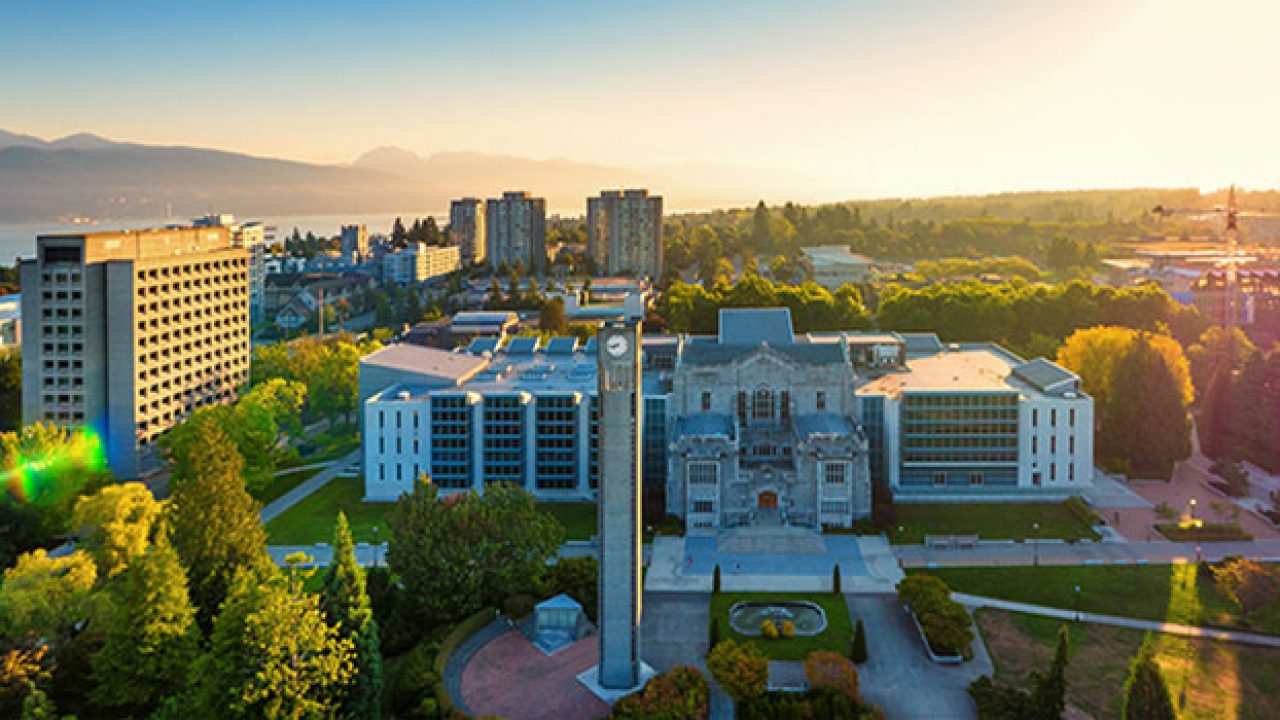
In 2011, UBC launched the Centre for Interactive Research on Sustainability (CIRS). This state-of-the-art facility generates more energy than it consumes, achieves water self-sufficiency, and provides natural ventilation and daylighting in all spaces. This initiative underscores UBC’s commitment to sustainable innovation and environmental stewardship