
When the streetlights glow, the city’s architecture seems more inviting, and evening strolls feel safer. There’s a certain warmth and charm in the glow of lights. Back in the day, Vancouver relied solely on gas lamps—dim, warm lights that barely lit sidewalks and streets. Over time, the city transitioned to electric lighting, which is what we’ll explore in this article. More at at vancouver-future.
How Gas Lamps Appeared
Vancouver’s first gas lamps appeared in the mid-1880s. They emitted a faint, yellowish light that barely cut through the darkness on streets and sidewalks. These lamps ran on coal gas, delivered through pipes to each lantern, and had to be lit manually. Strong winds or heavy rain often extinguished them, leaving the streets in darkness. Walking or riding through the city at night was far from comfortable.
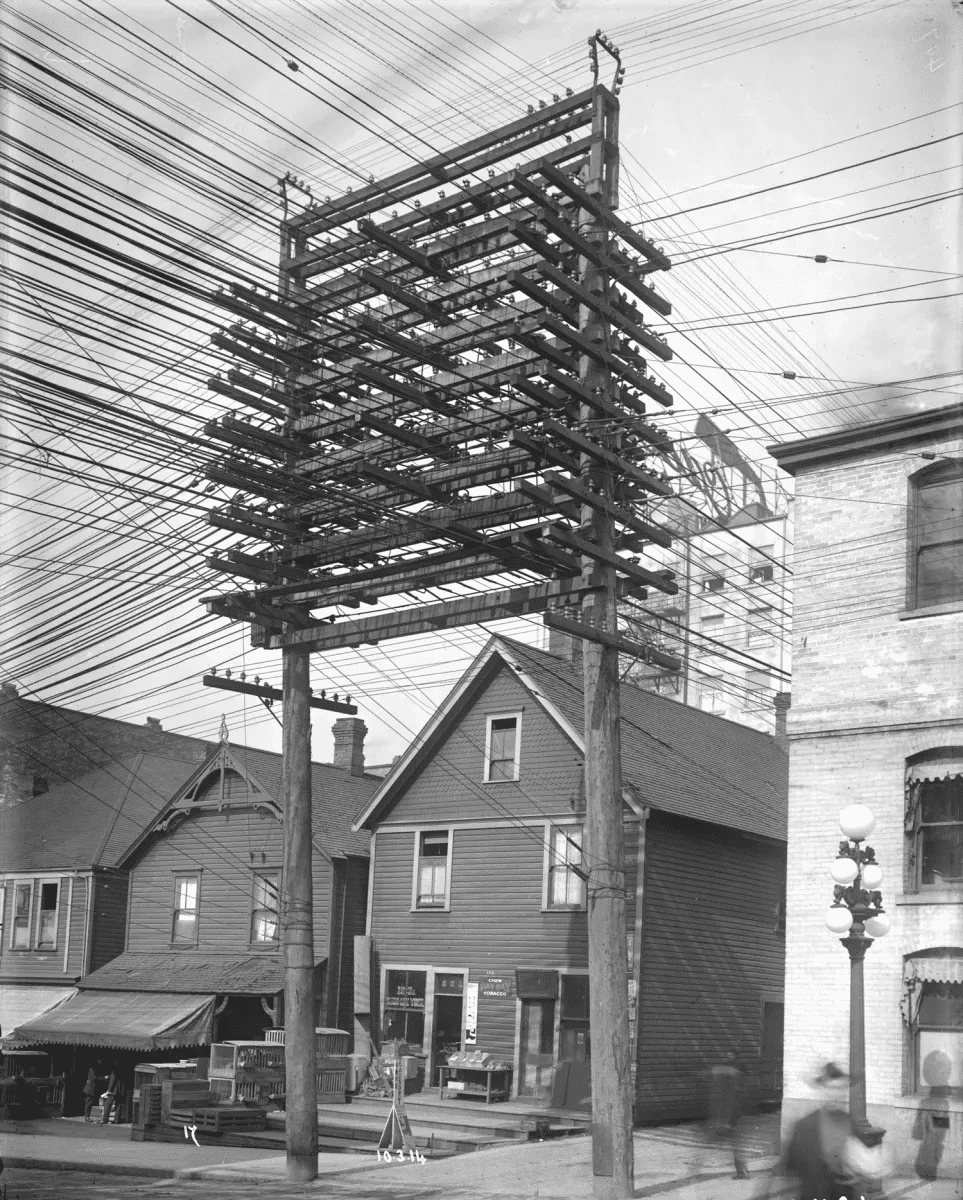
Initially, gas lamps were installed along main streets like Hastings Street and in the port area. Smaller alleys received limited lighting, just enough for people to get around at night. The lamps were mounted on metal posts or attached to building facades. They featured a glass shade to protect the flame from wind and a small gas reservoir to keep the light steady.
Despite their limitations, gas lighting influenced the city’s development. People could stroll the streets after dark, and shops and benches stayed open longer. Streetlights also helped maintain order: dark alleys became less dangerous, and the city appeared more cared for. Even dim light created a sense of life, gradually encouraging evening activities.
Still, gas lamps were limited—they could go out quickly and required regular maintenance. But from these humble beginnings, Vancouver’s street lighting history began.
The Shift to Electric Lighting
In 1886, a major fire destroyed a significant portion of Vancouver. Many buildings burned down, leaving streets empty and dark. As the city rebuilt, there was a clear need for more reliable lighting. Gas lamps were no longer sufficient, and electric lighting became the solution.
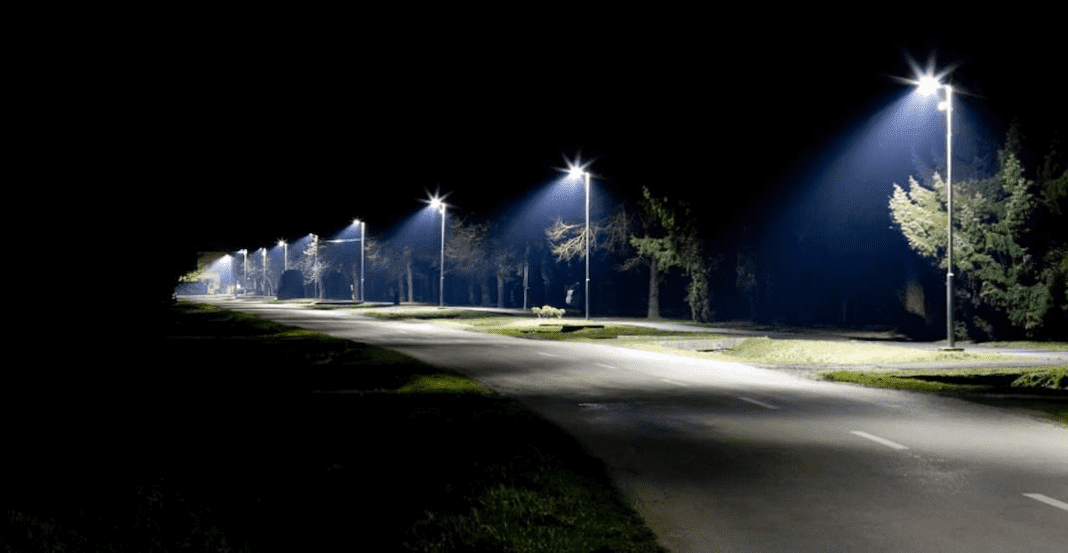
By August 1887, the first electric streetlights were installed, powered by the Vancouver Electric Illuminating Co. These lamps used carbon filaments and shone much brighter. Light output varied: some lamps equaled the brightness of eight candles, others sixteen. Poles were placed along main streets, and lamps were positioned to illuminate sidewalks, roads, and popular public areas.
Businesses operated more steadily, and walking the streets became less intimidating since light was no longer at the mercy of the weather. Electric lighting also stimulated economic activity.
Infrastructure Development and Expansion
In the early 20th century, Vancouver expanded its electric infrastructure. Streetlights appeared on key streets like Gastown, Hastings Street, Cambie Street, and Oak Street. These lights became a key element of the urban landscape, serving practical and aesthetic purposes.
Some installations were particularly notable. The Burrard Street Bridge, completed in 1932, became a symbol of city growth. Its bronze lamps, inspired by torches, honored veterans of World War I. These lamps were restored in 2018 to preserve the historical legacy.
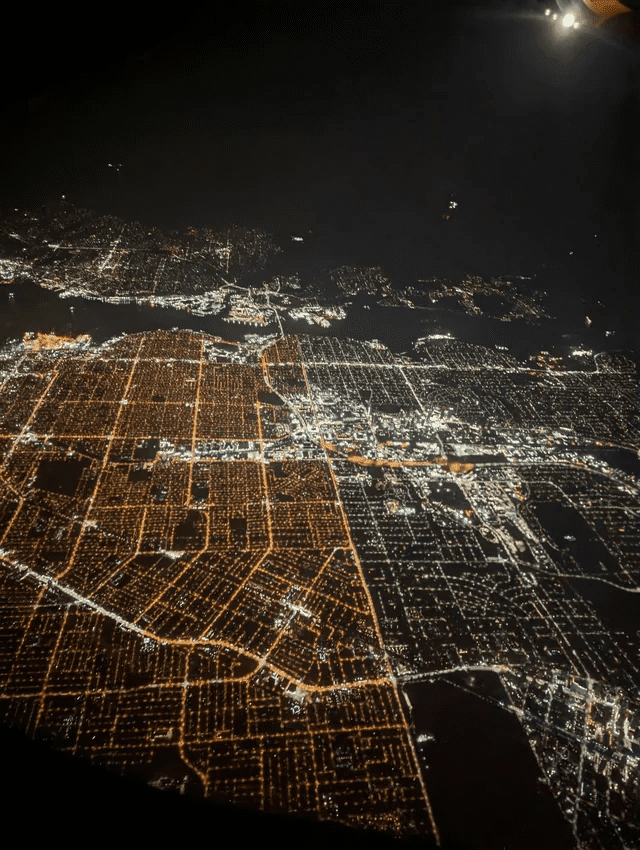
Early electric lighting faced challenges. Carbon-arc lamps required frequent maintenance, including replacing worn filaments. This demanded significant effort and resources from city workers.
Transportation also relied on lighting. Electric lamps ensured safety for new transit modes, like the city’s electric streetcars introduced in 1890. Overall, the shift to electric lighting was a major milestone, improving residents’ quality of life and supporting economic growth.
Modern Strategies
In 2015, Vancouver launched a major streetlight modernization program, focusing on energy efficiency, safety, and environmental impact. Old sodium lamps were replaced with modern LED fixtures, which consume 50% less energy and last up to 20 years. Over 44,000 LED lamps were installed, covering about 80% of the city’s streetlights. Early implementations included the Burrard Street Bridge, where new LEDs reduced energy use by 90%. LED lamps also lit Hastings Street, downtown areas, and Stanley Park, focusing on sidewalks, squares, and bike routes.
The city’s strategy prioritizes more than efficiency. Safety, aesthetics, and light pollution reduction are key. New LEDs offer soft white light that reduces glare and improves visibility. Lamps are designed with a colour temperature of 3000–4000 K, and sensors adjust brightness at night to save energy.
Modern lighting enhances city atmosphere and resident comfort. Accidents and crime in the evening have decreased, while streets feel safer and more welcoming for night walks and recreation.
Lighting as a Reminder of History
Vancouver’s streetlights serve both practical and cultural roles. They reflect the city’s historical development and evolving urban infrastructure. During neighborhood renovations or the creation of new public spaces, lighting was updated—not just technologically, but also in design—to highlight architectural features of buildings, squares, and parks.
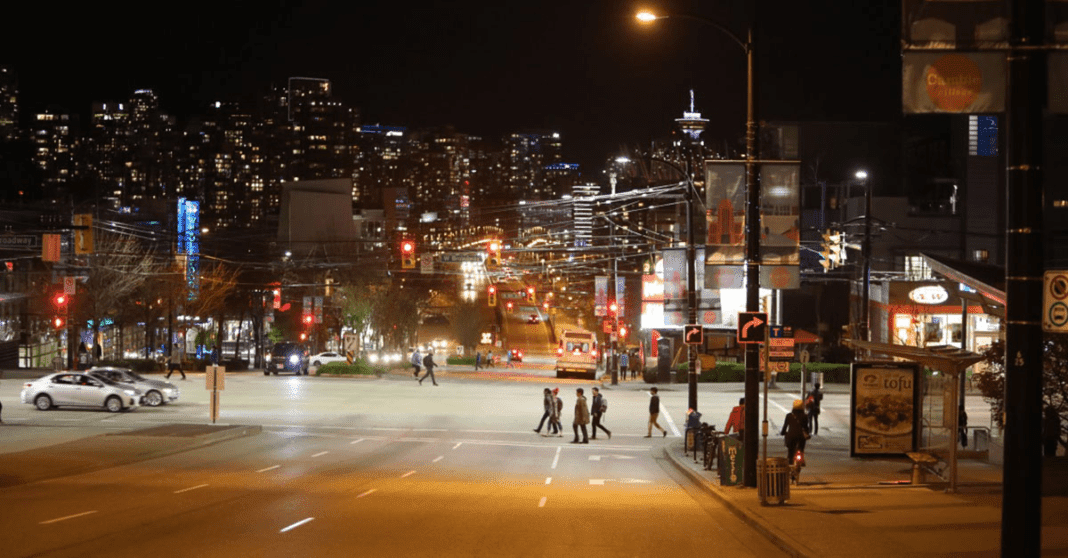
Streetlights often gained symbolic significance. At Victory Square, decorative lamps honor Canadian soldiers of World War I. Their classic style evokes historical eras and fosters respect for the past. These lights help residents and visitors connect with Vancouver’s history.
Major fires, economic crises, and transportation upgrades also shaped the city’s lighting network. After Gastown’s major renovation in the 1970s–1980s, old electric lamps were replaced with new stylized versions that preserved the district’s historic character while meeting modern safety and efficiency standards.

