
Imagine what Vancouver looked like over a hundred years ago. The city was just beginning to grow, and its streets were crowded with horses and wagons. People needed a faster way to get around, and streetcars quickly became a lifeline. At first, they were horse-drawn, slow and wobbly, but they allowed residents to travel from the downtown core to the outskirts. Then came electric streetcars, and the city seemed to come alive. Streets buzzed with the hum of motors and the ringing clatter of wheels on tracks. Life in Vancouver at that time was hard to picture without streetcars. More at vancouver-future.
Early Streetcars
Back in the 19th century, Vancouver’s streets were uneven, mostly cobblestone or gravel, and people had to get around every day. Horse-drawn streetcars appeared to meet that need. These were wooden cars with metal wheels pulled by horses, carrying around 20–30 passengers per trip. They moved slowly but provided a reliable way to reach the city center or farther neighborhoods without rushing. Passengers sat inside or on open benches, smelling the horses and hearing the screech of the tracks and the clatter of wheels. Horse-drawn streetcars became the first permanent form of public transport, connecting work, markets, and home, giving the city a sense of motion and life.
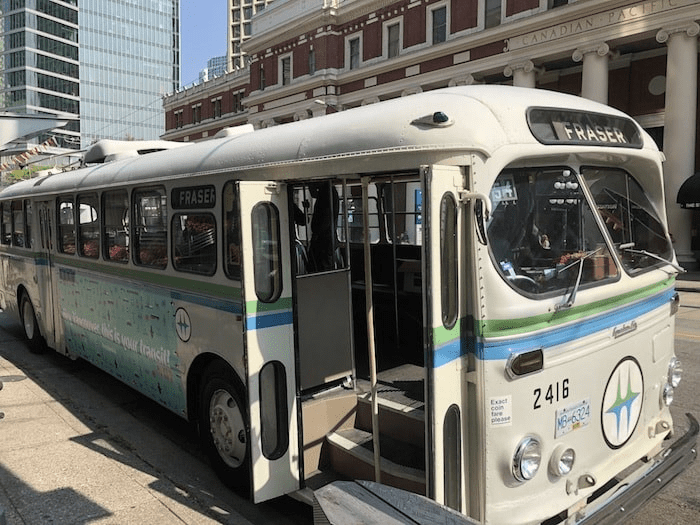
By the late 1880s, a new era began with electric streetcars, capable of carrying 50–60 passengers. Vancouver’s first line launched on June 27, 1890, when cars rolled out of the Hastings Street depot. No horses were needed, and they could transport more people, moving faster and more smoothly. Streets filled with the hum of motors, clanging wheels, and the glow of electric lamps on the cars. Electric streetcars quickly gained popularity. Early routes ran through the city center along Hastings and Granville Streets and extended to areas near Granville Island, which was developing rapidly. Cars stopped by shops, markets, and schools, and residents relied on them daily. People could get to work quickly, meet friends, or shop with ease.
Expansion and Integration into City Life
Over time, routes multiplied, streetcars grew larger, and tracks extended further. Streetcars became part of the city’s rhythm. People knew when the next car would arrive, which stops were convenient, and even chatted during rides. By 1914, more than 230 cars operated under BC Electric Railway.
The Peak of the Streetcar System
The network expanded rapidly. At its height, tracks stretched over 120 kilometres, connecting most city neighborhoods and suburbs. New lines ran through industrial and residential areas, and cars ran more frequently and reliably. Modern streetcars of the era were spacious, with soft seats and large windows that allowed passengers to enjoy cityscapes. Some even had electric lighting, making evening rides more comfortable. People settled closer to the tracks to reach downtown or markets quickly. New neighborhoods emerged along the lines, and streetcars became part of everyday city life.
Technology also evolved. Cars became longer and sturdier, mechanisms improved, tracks were repaired more often, and signals for drivers and passengers made travel safer.
Decline and Replacement
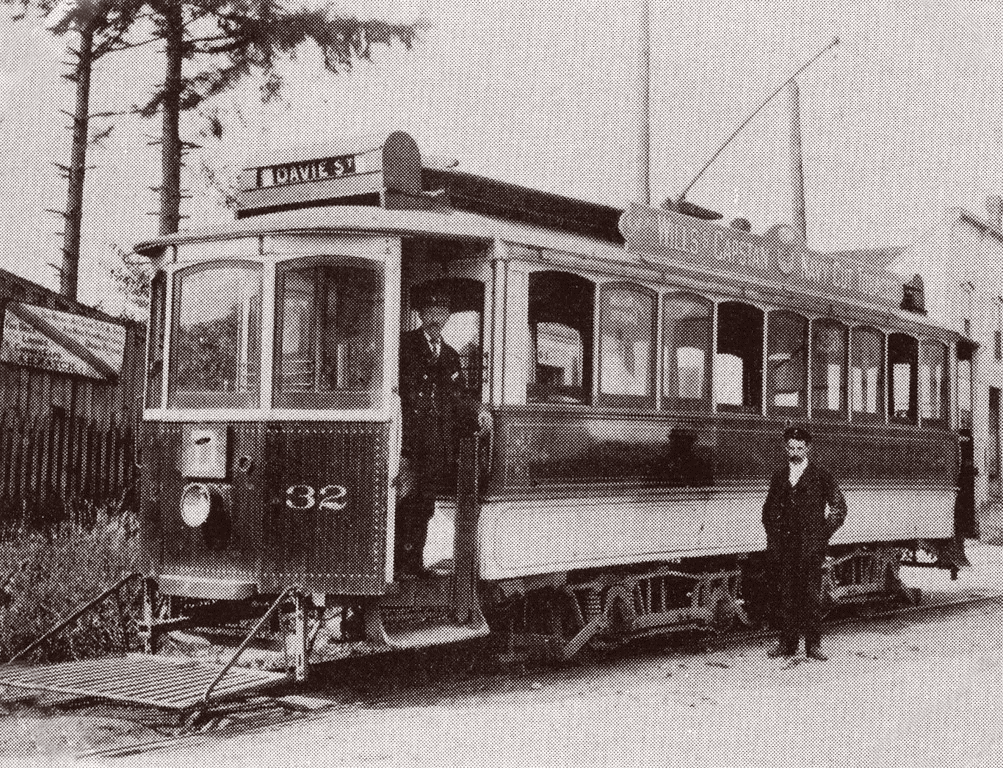
By the mid-20th century, streetcars gradually disappeared from Vancouver streets. Cars became more popular, filling the roads, while buses offered flexible routes to every part of the city. Streetcars, with fixed tracks and routes, became less convenient.
Lines were closed one by one. In North Vancouver, the last routes ceased in 1947, and Hastings Street saw its final cars in 1955. Some cars were preserved in museums, but most were removed or scrapped. The city changed before everyone’s eyes: streets widened, and buses took over as the main public transport.
What Remains
Some Vancouver streetcars survived and can still be seen in museums. One notable example is Car No. 153 at the MONOVA Museum in North Vancouver. Though old, it still carries its character—wooden seats, metal wheels, and creaky doors. Visitors can walk among the cars, sit inside, and imagine riding Vancouver a century ago. The museum also displays photos of old routes, tools, tracks, and documents that capture the era’s atmosphere.
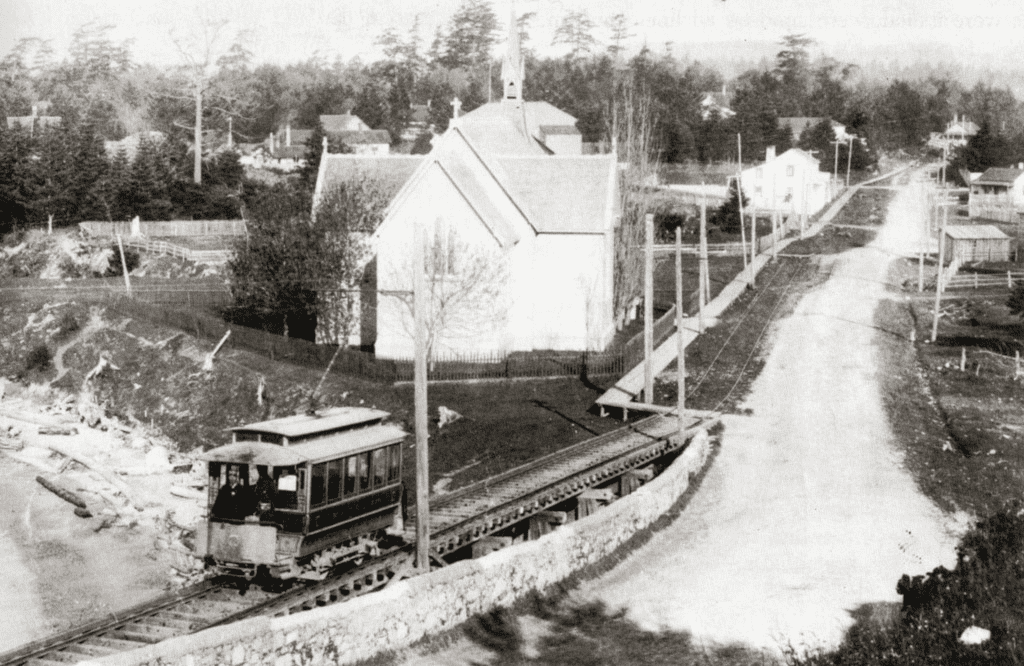
Historic routes have been revived for tourists and those wanting a different city experience. On Granville Island, a small streetcar runs around the central part of the island. During the 2010 Winter Olympics, Vancouver briefly operated the Olympic Line—a modern demonstration streetcar connecting the island to the Olympic Village. Cars moved slowly so passengers could enjoy buildings, markets, and waterfronts, hearing the ringing wheels and smelling the old tracks. It’s like a tiny time machine back to the past.
Cultural Impact
Streetcars left a lasting mark on the city’s culture. Locals photograph and film them, share stories, and organize tours. Community initiatives advocate for reinstating streetcars as part of an eco-friendly, sustainable transport system.
Unrealized Plans
In the late 1990s, there were plans to bring streetcars back downtown. In February 1999, the city council approved a line connecting Granville Island with the False Creek area, extending to Waterfront Station and Stanley Park. The plan combined modern low-floor cars with historic streetcars, recreating the old city’s charm.
During the summer, a short demonstration line—the Vancouver Downtown Historic Railway—ran between Granville Island and Main Street–SkyTrain, serving as a pilot for the future project. From January 21 to March 21, 2010, during the Winter Olympics, the free Olympic Line operated downtown using two Bombardier Flexity Outlook streetcars temporarily borrowed from Brussels.
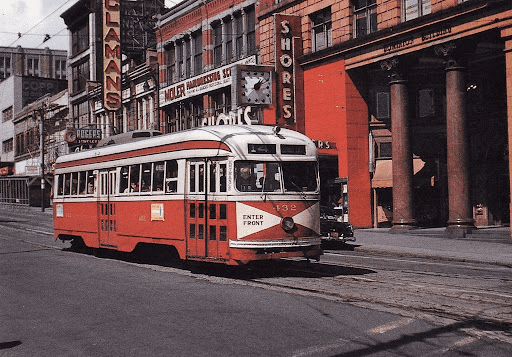
By 2002, plans considered expanding to Yaletown and creating a Downtown loop, with potential further extensions west through Arbutus, east along Hastings Street, and south on Main Street. Ultimately, the project was shelved. Vancouver never fully reinstated a streetcar network, and the Olympic Line was eventually closed. What remains are tracks, old photos, and memories of what a modern downtown streetcar system could have been.
Sources:

