
On the road from Vancouver, one can spot a white 20-storey structure seemingly embedded into a cliff, reports vancouver-future. This location once housed one of the largest copper mines in the world. Today, it has transformed into an incredibly fascinating and educational site.
In our article, sourced from redhairtravel, we explore the remarkable history of Britannia Mine.
Discovery of the Deposit
In 1888, gold prospectors combed through the mountains surrounding Vancouver. A local fisherman decided to sell a few rock samples to a nearby doctor.
According to legend, both men ventured to the cliff where rock extraction was taking place. While the cliff itself offered no promising discoveries, the story took a dramatic turn as the doctor spotted a deer and shot it. At the spot where the deer collapsed, they found mineral-rich ore.
A Major Mining Operation
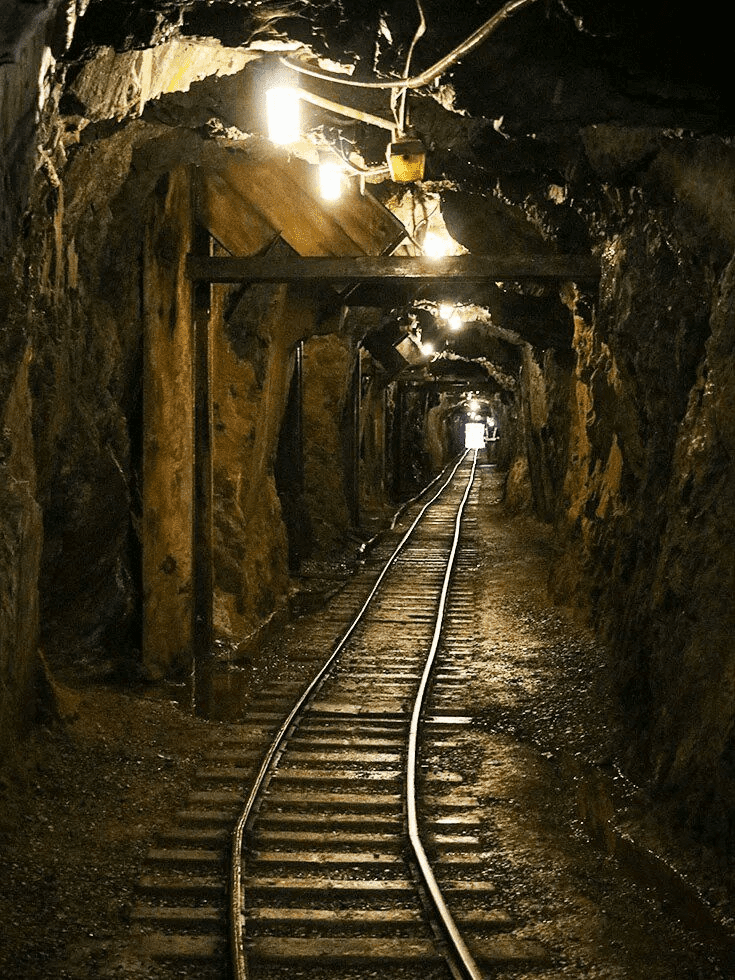
Copper mining at this location began in 1904. Within the first decade, the daily extraction rate increased from 200 to 2,000 tonnes.
By the 1920s and 1930s, Britannia Mine was recognized as one of the largest mining operations globally, holding 17% of the world’s copper reserves at its peak.
Unlike many enterprises of its era, Britannia Mine survived the Great Depression and thrived during World War II and the Korean War. However, falling copper prices, rising operational costs, and changes in ownership ultimately led to its closure in 1974. By that time, the mine featured 210 kilometers of tunnels spanning various elevations.
A New Tourist Attraction
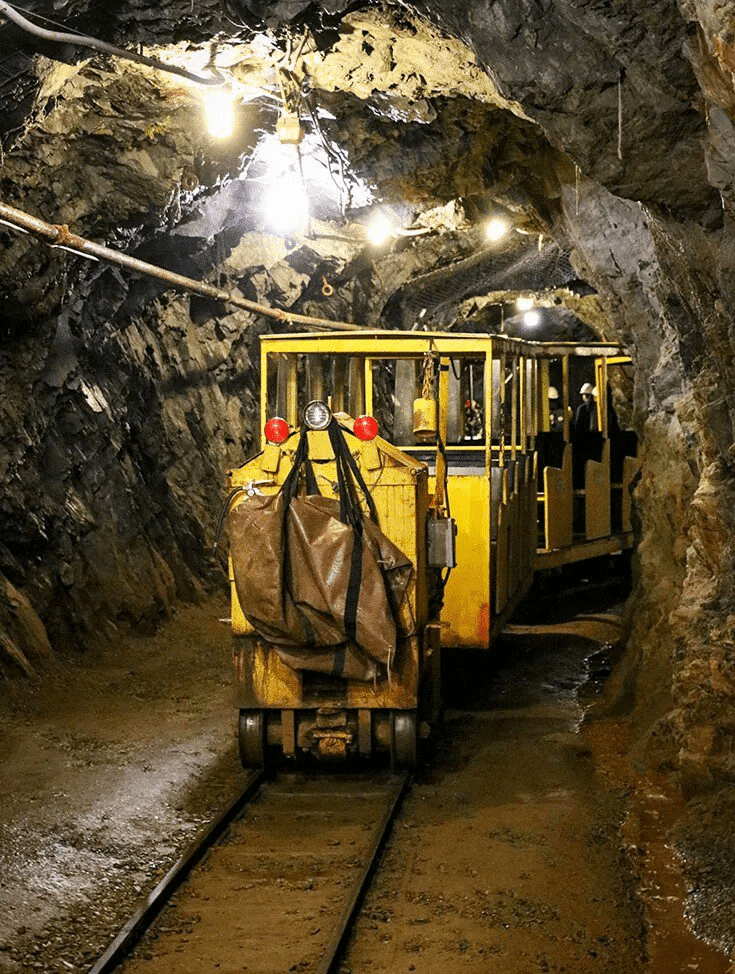
After its closure, the mine’s tunnels were sealed, flooded, or collapsed. Only one tunnel, located beneath the Mill, was preserved for tourism. Today, guided tours start hourly from a small pavilion in a museum courtyard.
Visitors exploring the copper tunnel must adhere to strict safety protocols, including wearing hard hats and dressing warmly, as the mine’s interior temperature hovers around 12°C. A guided train ride through the tunnel offers a firsthand experience of the cold, damp air miners once endured.
Harsh Working Conditions
Workers spent six days a week in the mine, relying solely on candlelight for illumination. Equipment such as drills and ore loaders generated deafening noise, making prolonged exposure intolerable.
Imagine spending entire days in such conditions! Over its 70 years of operation, approximately 60,000 workers were employed at the mine. However, the turnover rate was high due to the grueling work environment.
Historic Structures
The site houses the iconic Mill, constructed in 1923, which processed ore. While the exterior offers little indication of its scale, stepping inside reveals a jaw-dropping industrial marvel.
In 1987, the Mill was designated a National Historic Site of Canada. Visitors are strictly prohibited from ascending its upper platforms or touching the rusted machinery to preserve its integrity.
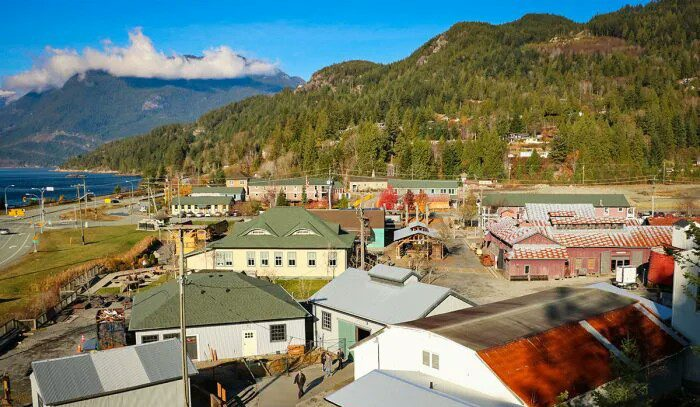
Additional historical buildings on the property serve as either decorative backdrops or remnants of operational facilities. Noteworthy structures include the old mechanical workshop and a storage facility showcasing rock samples. The massive “super truck,” weighing 363 tonnes, is another highlight—its tires alone tower over visitors.
A Popular Film Location
The mine has been featured in numerous productions, including Supernatural, The X-Files, and Altered Carbon, making it a favorite among filmmakers.
The Lives of Miners
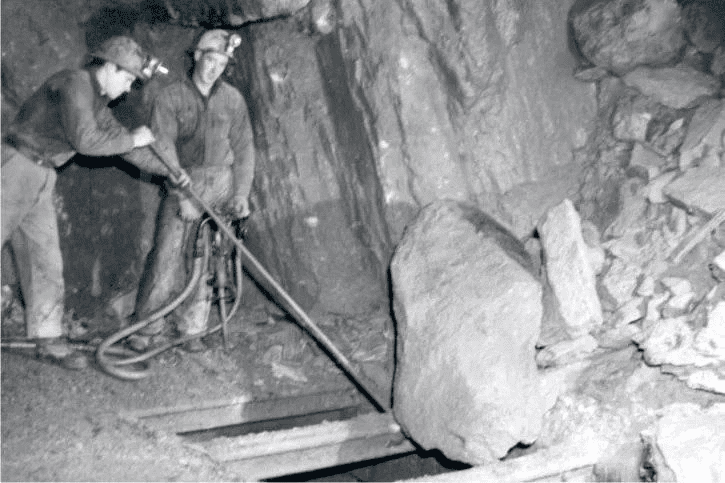
Life for miners was far from easy. When the mine first opened, workers flocked to the site in droves. However, tragedy struck in 1915 when a landslide completely destroyed the first workers’ camp, Jane Camp.
The new camp was built in a safer mountain area, but getting home after a long workday was arduous. Workers had to climb 347 steps, board a cart, and take a small train to reach their accommodations.
The mine’s isolation was another challenge. Access to the site and its surroundings was only possible by boat until a railway and highway were constructed in 1956.
Archival photographs depict the camp’s facilities, which included a library, club, hospital, swimming pools, tennis courts, and a school. Despite the hardships, the workers formed a tight-knit community, enjoying recreational activities during their free time.
The mine’s closure in 1974 left thousands of men and women unemployed.
Gold Mining and Environmental Consequences
The site also housed a gold extraction station where valuable gemstones such as agate, amethyst, quartz, hematite, and aventurine were collected. In total, Britannia Mine yielded approximately 800 tonnes of metals, including copper, lead, zinc, gold, silver, and cadmium. However, this extensive mining activity had dire environmental repercussions.
Rain and melting snow washed approximately 600 kilograms of dissolved oxidized metals daily from the tunnels. While these toxic streams were treated during the mine’s operation, the closure led to environmental degradation. Coastal waters became devoid of fish, algae, mussels, and other aquatic life, earning the mine the title of the worst source of water pollution in the region.
The Restoration Project
After years of study, a comprehensive restoration project was initiated in 2001. The government recovered $30 million from the mine’s former owners to partially fund the $76 million effort.
The project culminated in the construction of a water treatment plant that collects and filters water from the mine tunnels, enabling the return of aquatic life to the surrounding ecosystem.
A Unique Historical Landmark
Britannia Mine remains a site of unparalleled historical significance. Although its operations have ceased, its value as a cultural and educational asset endures. The government has transformed the abandoned mine into a world-class museum, offering visitors an immersive glimpse into the lives of miners and the demanding nature of their profession.
This extraordinary site allows modern audiences to appreciate the sacrifices and resilience of those who worked tirelessly to shape its legacy.