

Vancouver is recognized as a city with a highly developed infrastructure, writes vancouver-future. Many of its facilities are steeped in fascinating history, with some dating back centuries. Vancouver’s bridges are no exception, as many of them are considered historical landmarks. Numerous guided tours are organized around these bridges, offering both locals and tourists the chance to learn more about the city’s past. These tours provide a deeper understanding of Vancouver’s infrastructure development, highlighting the key figures who contributed to its creation.
Unfortunately, not everyone can visit Vancouver in the near future. Of course, not everyone lives in this remarkable Canadian city. However, this does not mean that people are deprived of the opportunity to learn about Vancouver’s bridges. A wealth of literature and online resources are available to help fill this gap.
We decided to contribute to the collection of materials about Vancouver’s bridges by creating a series of articles dedicated to these unique structures. By reading our articles, readers can compile their own “wish list” of Vancouver bridges to visit. Each bridge has its own unique features, fascinating history, and ties to the individuals involved in its construction. As a result, readers can identify the bridges they find most interesting.
Now, let us move on to the next article in our series. Based on information from gov.bc.ca, we will share insights about Lions Gate Bridge. This iconic structure, with its rich history and distinctive features, is a must-see for anyone visiting Vancouver.
Brief Description
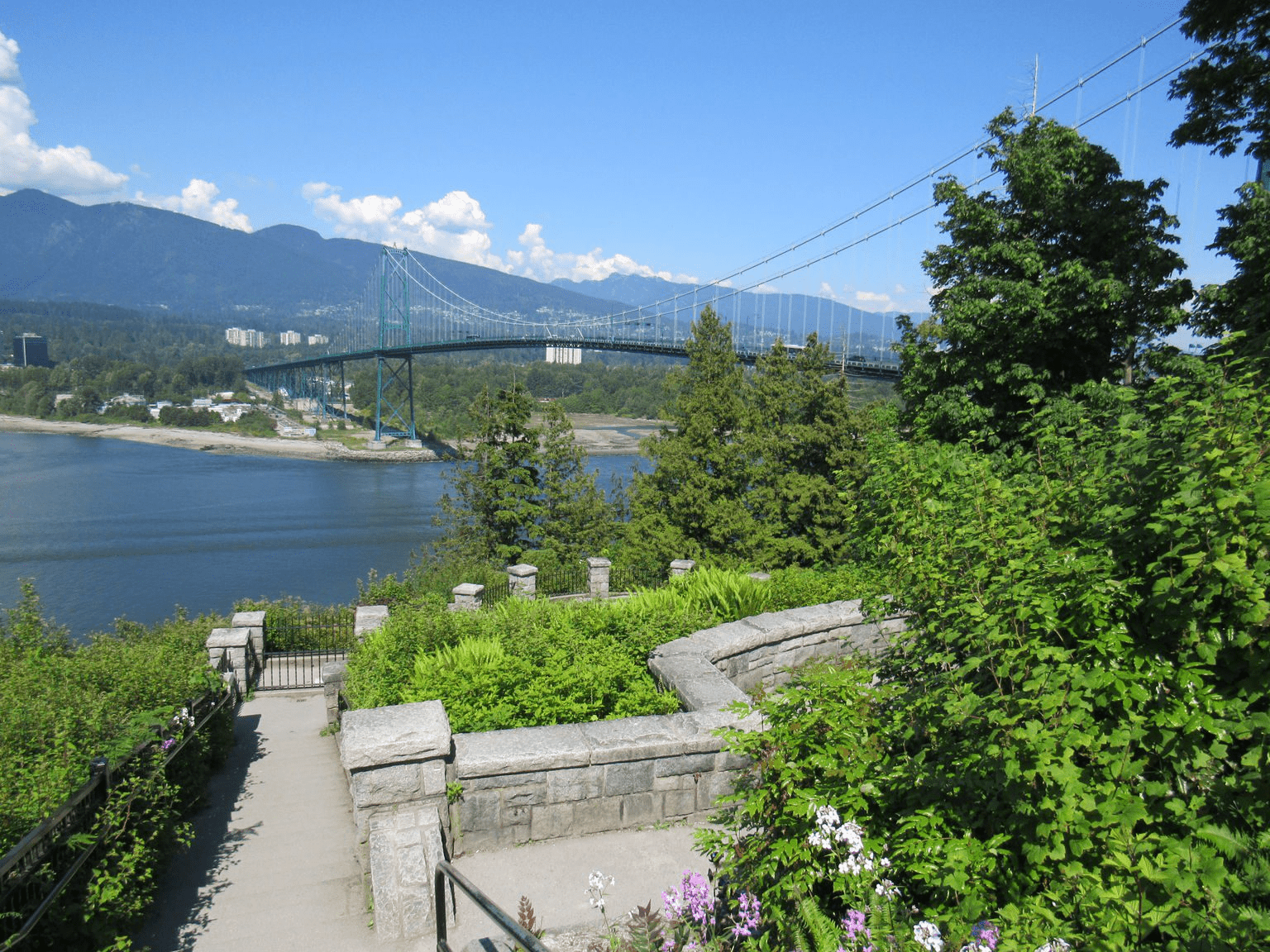
Let us begin our article with a concise description of the structure in question.
Lions Gate Bridge is a vehicular suspension bridge spanning Burrard Inlet. It connects Vancouver with a network of northern municipalities.
It is worth noting that the bridge’s name is derived from the peaks of the surrounding mountain range. These peaks, situated at the bridge’s base, are among Vancouver’s most iconic landmarks.
The total length of the bridge, including the northern approach, is 1,823 metres. The main span measures 473 metres. The bridge’s towers rise to a height of 111 metres. The clearance under the bridge, allowing the passage of marine vessels, measures 61 metres at its lowest point.
Vehicular Traffic
The bridge consists of three lanes for vehicular traffic, with the central lane operating as a reversible lane.
Daily traffic volume on the bridge ranges between 60,000 and 70,000 vehicles. Heavy trucks exceeding 13 tonnes in weight are prohibited from crossing.
Additionally, vehicles with studded tires are not permitted to use the bridge.
Beginning of Construction
Construction of the bridge commenced on March 31, 1937, and took one and a half years to complete. The project cost approximately six million dollars.
Opening Ceremony
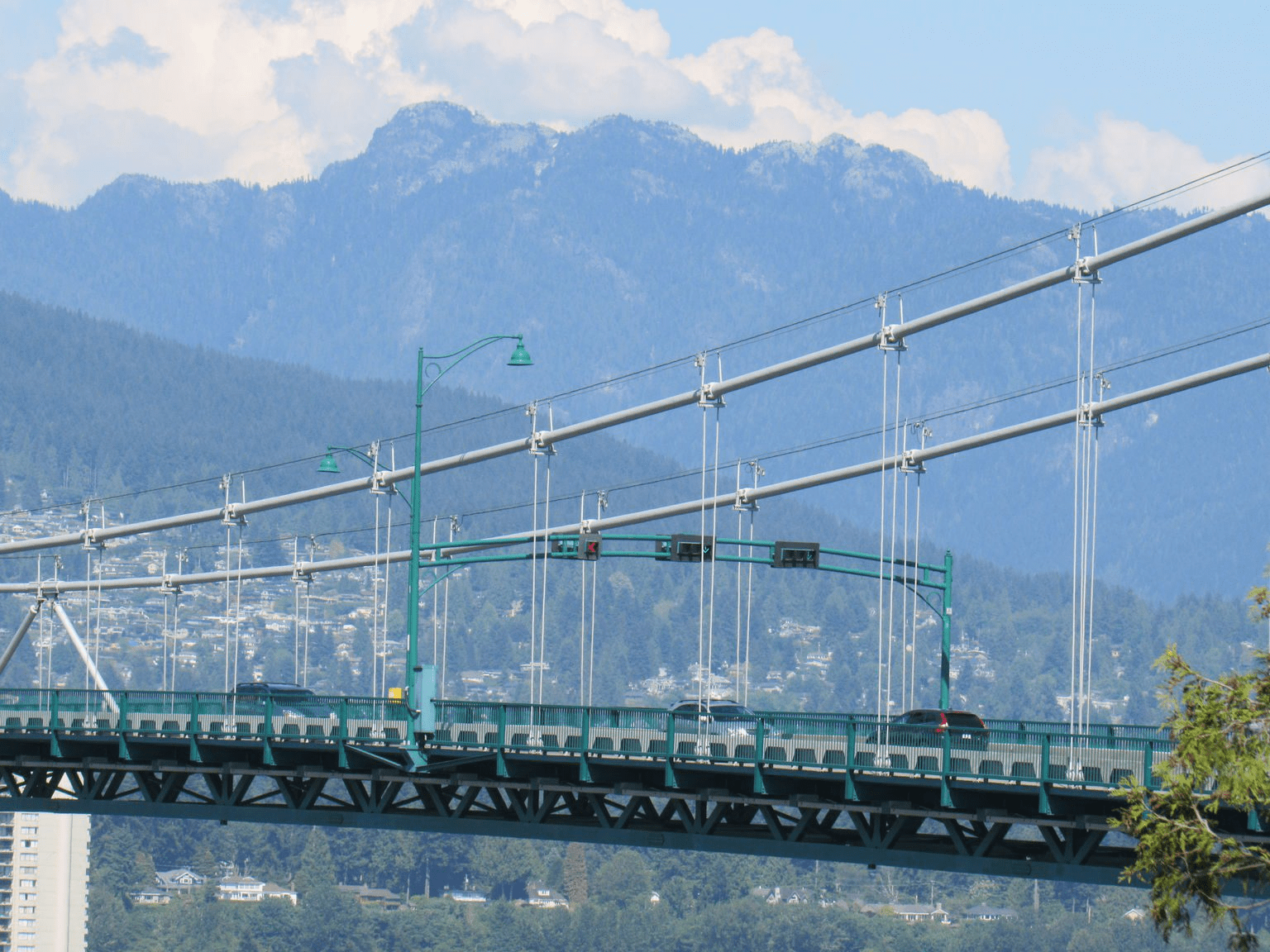
The bridge opened to traffic on November 14, 1938. An official opening ceremony followed on May 29, 1939, with King George VI and Queen Elizabeth in attendance.
Toll Fee
When the bridge first opened, a toll of 25 cents was charged for its use.
The Guinness family, the principal investor and owner of the bridge, sold the structure to the government on January 20, 1955. This led to the abolition of the toll in 1963.
Division of Lanes
Initially, the bridge featured only two vehicular lanes. However, as the northern suburbs rapidly expanded due to the bridge’s construction, traffic volumes steadily increased. This prompted the addition of a third lane, with the central lane designed for reversible traffic.
The traffic lights installed above the roadway were also adjusted to direct traffic flow based on prevailing conditions.
Moreover, if emergency vehicles required passage, the traffic lights controlling the central lane would restrict regular traffic flow to prioritize emergency vehicles.
This system remains in use today.
A Valuable Gift
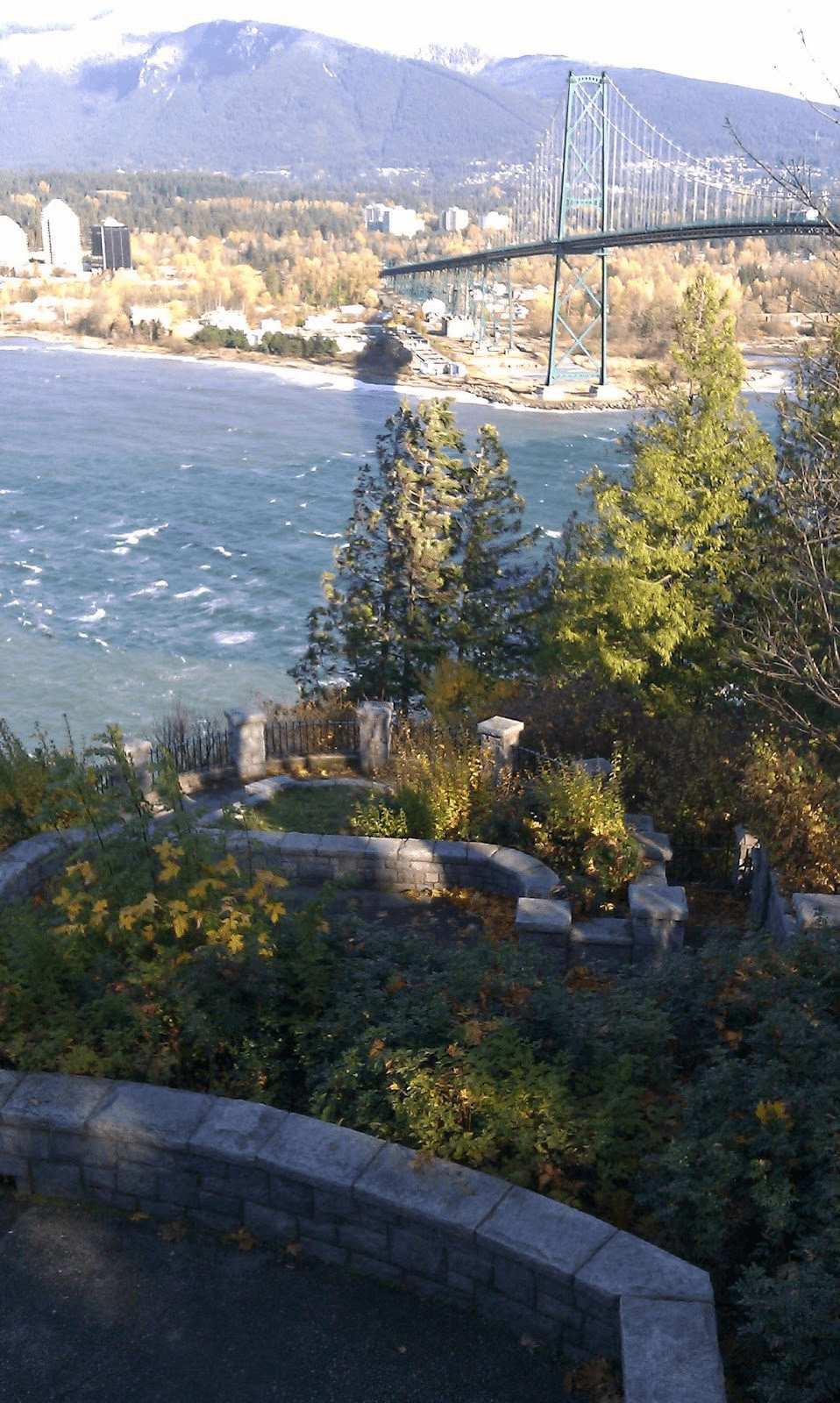
Traffic lights were first installed on Lions Gate Bridge in 1986.
At the time, these lights were a gift to Vancouver from the Guinness family.
In July 2009, the original 100-watt mercury vapour lamps in the traffic lights were replaced with LED lamps.
This measure was expected to reduce energy consumption by 90%, potentially saving the province as much as $30,000.
Numerous Proposals
In the 1990s, the significant increase in traffic led to discussions about either expanding or replacing the bridge. The government aimed for a new bridge with greater capacity.
Various proposals were considered at the time, including constructing a new bridge near the existing one. Other ideas included building a “second level” above the current bridge or constructing a tunnel under Burrard Inlet.
However, concerns about potential traffic congestion on the northern side and the high cost of these projects prevented further development of these ideas.
Modernization Efforts
The only modernization approved by authorities focused on widening the roadways, as well as the pedestrian and cycling paths.
Between 2000 and 2001, major works were carried out to replace the bridge deck. This included widening the vehicle lanes to 3.5 metres and the pedestrian pathways to 2.5 metres.
A Landmark Worth Visiting
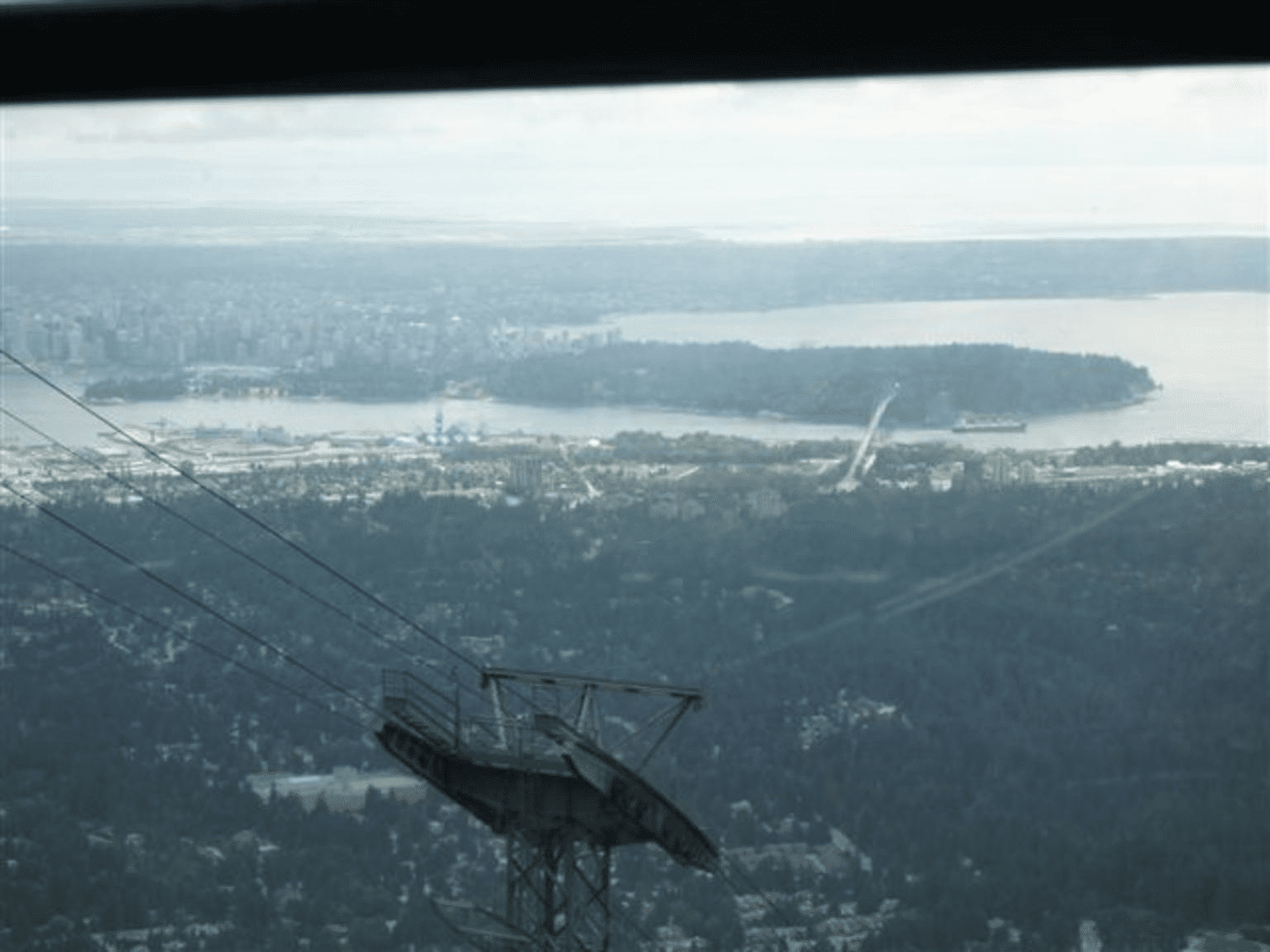
Lions Gate Bridge is one of Vancouver’s most iconic landmarks. When you visit the city, you will undoubtedly be encouraged to visit this bridge and take in its breathtaking views. Moreover, given that this structure connects the city to its northern municipalities, chances are you will cross it more than once during your stay.
Based on the information shared above, this bridge is undeniably worth visiting. It stands as one of Vancouver’s historic structures. Additionally, Lions Gate serves as an example of urban philanthropy, as the Guinness family not only financed its construction but also donated traffic lights for its use.
All of this makes the bridge a must-see destination. Fully understanding the history of a city helps to reveal its character and the spirit of its residents.
Discovering something new is always both fascinating and rewarding. For those who have never seen Lions Gate Bridge, we highly recommend making it a priority. Rest assured, it is worth the experience. Once you visit this remarkable bridge, you will undoubtedly agree.