

Electric railways are considered among the oldest transportation systems in British Columbia, Canada, writes vancouver-future. By 1897, they controlled streetcar operations as well as interurban lines. Furthermore, they were entrusted with the operation of regional electric railway systems. This continued until 1958, when the last interurban service ceased operations.
In this article, with references to alphapedia and trams.bc.ca, we explore the development of streetcar transportation in Vancouver and the vital role played by volunteers in its history. Let’s take you through the journey, step by step.
A New Mode of Transportation
Streetcar and interurban transportation began in Vancouver during 1890–1891, managed by:
- Vancouver Electric Railway Company, which launched Vancouver’s streetcar system on June 27, 1890.
- Westminster and Vancouver Tramway Company, which inaugurated the interurban line between Vancouver and New Westminster on October 8, 1891.
However, with the onset of the global depression of the 1890s, both companies entered receivership. In 1895, they were merged into the Consolidated Railway and Light Company.
An Unconventional Idea
The Central Park interurban line remained in operation for many years. Fast-forwarding to 1975, the Greater Vancouver Regional District proposed incorporating the right-of-way of this line into a rapid transit system. This idea eventually led to the creation of Vancouver’s SkyTrain Expo Line, which connects Vancouver to New Westminster.
The End of the “Streetcar Era”
Streetcar operations in Vancouver came to an end in April 1947.
Once streetcars were decommissioned, some were scrapped, and others were burned. A few were sold for various purposes, including use as storage spaces or decorative pieces. Several streetcars were donated to American museums.
Additionally, some conservation societies purchased streetcars with the intent of restoring them.
A Historic Line
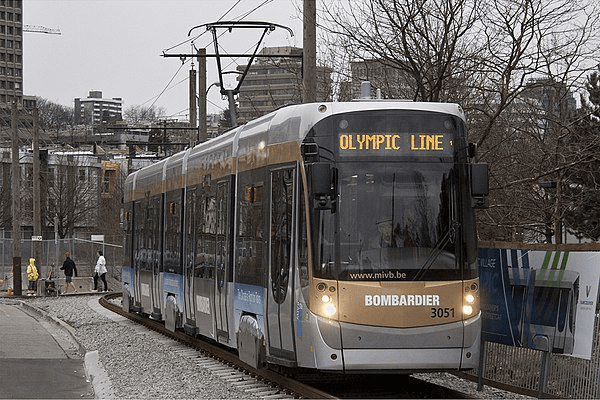
No discussion of Vancouver’s streetcars would be complete without mentioning the electric railway line, which holds significant historical value.
This line primarily operated on weekends and holidays. Restored interurban streetcars ran along a former freight railway right-of-way owned by the City of Vancouver. Volunteer operators, representing the Transit Museum Society, managed the vehicles.
The Role of Volunteers
Volunteer efforts played a pivotal role in preserving Vancouver’s streetcar legacy. When streetcars began to be phased out, concerned citizens stepped up to save this vital part of the city’s transportation history.
By pooling resources and raising public awareness, volunteers achieved remarkable success:
- They organized exhibitions showcasing vintage streetcars.
- Facilitated the purchase of some streetcars by museums.
- Restored certain streetcars to give them a “second life.”
Through these efforts, Vancouver’s volunteers paid homage to the city’s streetcar system. The streetcar was not only one of the earliest modes of transportation in Vancouver but also a witness to countless significant historical events. As such, preserving its memory ensures that future generations of Vancouverites appreciate their city’s history. After all, a city’s past is the foundation of its future, and it is everyone’s responsibility to honour the journey their hometown has taken.