

British Columbia has given the world numerous renowned names in science, writes vancouver-future. These individuals have made significant contributions not only to the scientific advancement of their region and Canada but also to the global scientific community.
Canadian scientists and inventors have continuously enriched the world with groundbreaking developments in various scientific fields. Many of these innovations have since been implemented to improve modern life and advance numerous industries.
Notably, physical and chemical inventions are often repurposed for military applications. Unique and valuable inventions can greatly enhance military equipment and technology.
Scientists from British Columbia have repeatedly demonstrated their talent and ability to create extraordinary things. Their work is closely monitored by various organizations, including military agencies, which often offer collaboration opportunities that can elevate the careers of these inventors. Such partnerships frequently result in the development of new, equally groundbreaking creations.
John Hutchison secured his place in history as a brilliant Canadian inventor. He gained fame for numerous innovations, including a device based on alternative energy (the Hutchison Effect), projects extending life through vitamins, methods for dismantling military ships, and techniques for restoring machinery. Many of his inventions were eventually adopted for scientific and military purposes.
John Hutchison’s talents were not confined to science. Before fully dedicating himself to his inventions, he also showcased his skills as an actor, participating in numerous television and radio programs.
As his reputation as a prominent inventor grew, his media presence expanded. He frequently appeared on various television programs, explaining complex scientific phenomena in an accessible and engaging manner. Despite numerous offers from prestigious military and scientific organizations, Hutchison remained independent, steadfastly pursuing his research on his own terms.
In this article, based on imdb.com, we delve deeper into the life and work of this remarkable individual, highlighting his invaluable contributions to Canadian science and his role in establishing British Columbia as a hub for brilliant innovators.
Active Advocacy
In 1969, Hutchison worked as a janitor at Riverview Hospital. In 1970, he launched his personal project—the creation of a Weapons Museum. Around the same time, he actively campaigned against the strict regulation of firearm ownership. With the support of Prime Minister Joe Clark, Hutchison’s efforts resulted in significant changes to Canadian firearm control legislation in 1980.
The First Invention
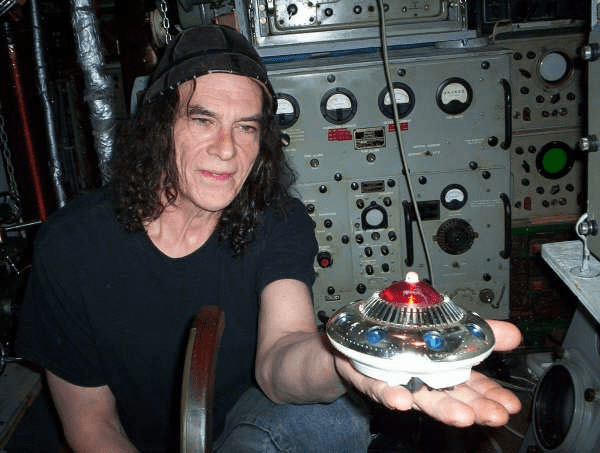
Hutchison soon turned his attention to improving devices for military purposes, leading to the discovery of the Hutchison Effect. This phenomenon, tied to alternative energy, garnered attention from George Hathaway, head of U.S. Army intelligence.
A Groundbreaking Achievement
During a demonstration, Hutchison showcased a series of effects, including levitating objects from a distance and transforming metals into unknown alloys. These demonstrations further solidified his reputation as an inventor of note.
A New Stage
In 1986, Hutchison participated in Expo-86, where he presented his invention to a global audience.
That same year, he collaborated with several national laboratories to analyze and study the metal transformation processes he had discovered.
Frequent Television Appearances
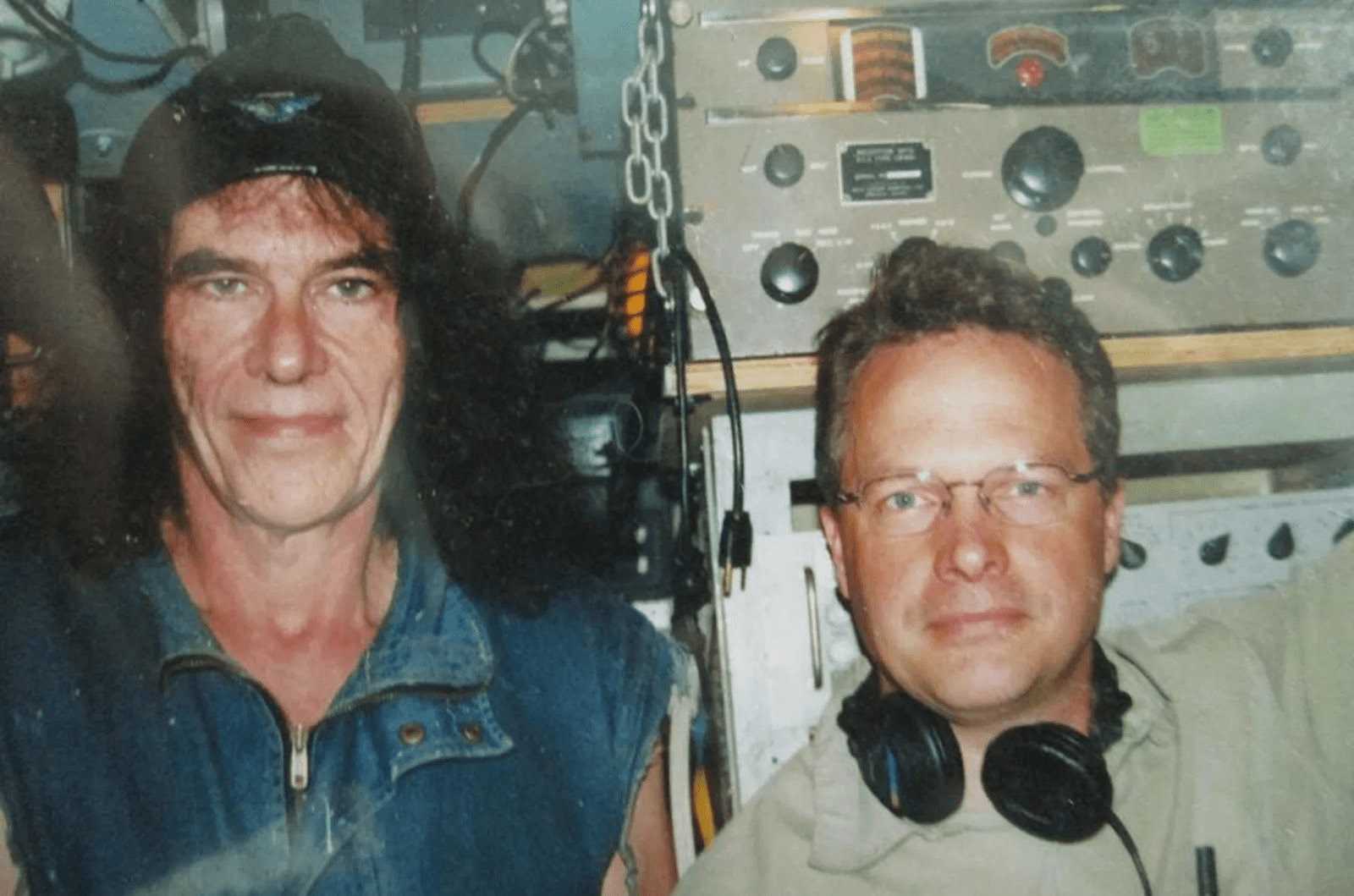
Hutchison later joined a U.S. government program, where his innovations were adapted for military use and weapons development.
Simultaneously, he became a sought-after guest on various programs to demonstrate his alternative energy-based devices. His television appearances included segments on TIS TV, Discovery Channel, and NBC TV.
A New Role
In 1995, Hutchison began working for the Artificial Reef Society, focusing on dismantling and improving the electronics of military ships.
His projects were later showcased at the Technology Institute, and he collaborated closely with Japanese researchers, creating power elements as part of commissioned projects.
Hosting Science Programs
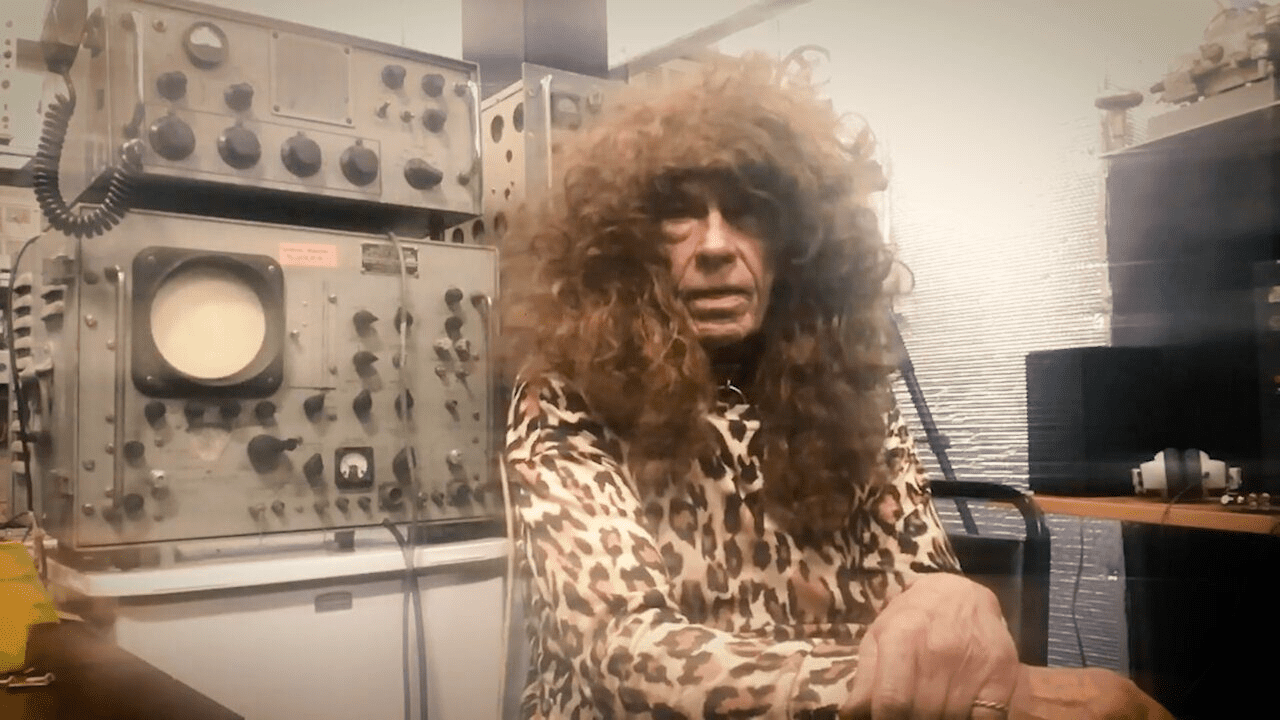
In 2000, Hutchison worked on the last Yukon ship and transitioned to a career as a television host. He presented shows about cutting-edge scientific developments, a format that proved so successful that he later hosted radio programs as well.
In 2004, he started hosting a Discovery Channel show about new energy sources and technological advancements.
A Tempting Offer
In 2006, the Pentagon expressed interest in the Hutchison Effect, offering Hutchison a position to further develop his invention. However, he declined the offer, maintaining his independence. Despite multiple meetings with Pentagon representatives in Vancouver, Hutchison remained firm in his decision.
Around this time, he appeared on numerous television programs in Canada and Japan, discussing polar shifts, the military potential of his inventions, and elaborating on the Hutchison Effect.
Moving Forward
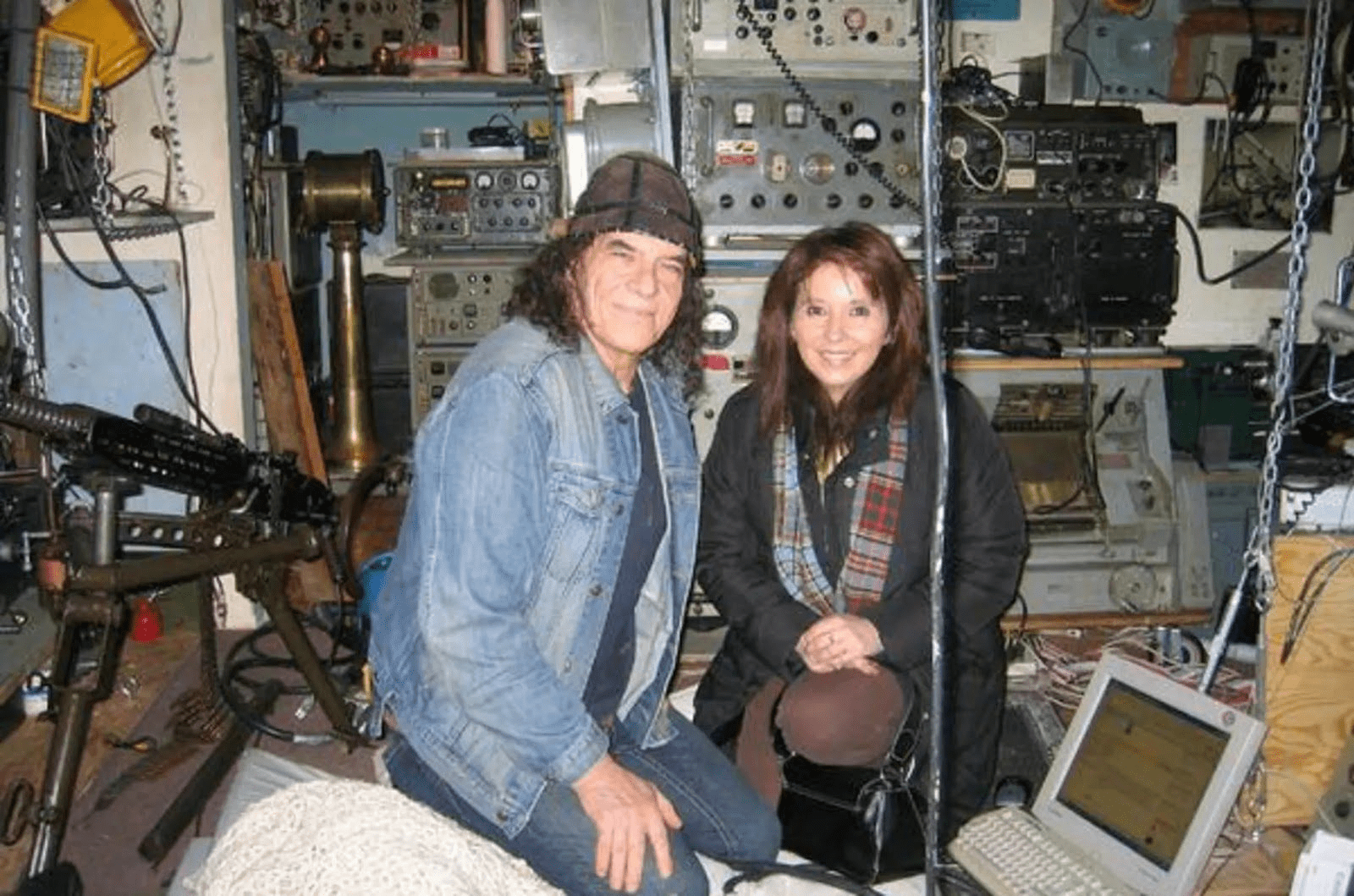
In 2010, Hutchison sold his anti-gravity laboratory to a German research group, which had been studying the Hutchison Effect since 2007. The Germans used his inventions to aid in cleaning oil spills in the Persian Gulf.
In 2011, Hutchison collaborated with Tru TV producers on an interview showcasing his laser and beam cannon inventions.
In 2012, Hutchison moved from Vancouver to Oregon, where he established a research centre focusing on radioactivity and new energy sources.
John Hutchison’s career is a testament to the power of independent innovation. His work, marked by curiosity and determination, continues to inspire inventors and scientists worldwide. His inventions serve as milestones in the development of alternative energy and the intersection of science with practical application.