

Over the last few centuries, human life has significantly improved and modernized, writes vancouver-future. It is undeniable that technological advancements have played a crucial role in this transformation. The emergence of gadgets and devices has elevated the rhythm of daily life to unprecedented levels, simplifying routine tasks and making them faster.
Television has been one of the most influential mediums in society, securing this status almost immediately upon its invention. People are rarely far from their TVs—not necessarily watching them non-stop, but often having them on as background while engaging in other activities. Even so, the information broadcast from television screens invariably captures attention.
Television, like all innovations, had to start somewhere. Its presence in a specific region is often tied to the establishment of broadcasting stations, which play a pivotal role in shaping the local history of television.
In British Columbia, television broadcasting has a fascinating history filled with transformative events. The province’s TV stations have undergone more changes and challenges than perhaps any other in Canada. Exploring the development of television in British Columbia unveils numerous milestones that collectively form a rich “television history.”
Among these stations, CHAN-DT, based in Vancouver, stands as a flagship for television on the West Coast. Its history essentially encapsulates the evolution of television in British Columbia. However, the station’s journey is so eventful that it can be challenging to navigate the chronology. This article, based on insights from globalnews.ca, systematically explores the remarkable and compelling history of television in British Columbia.
The Creation of the Station
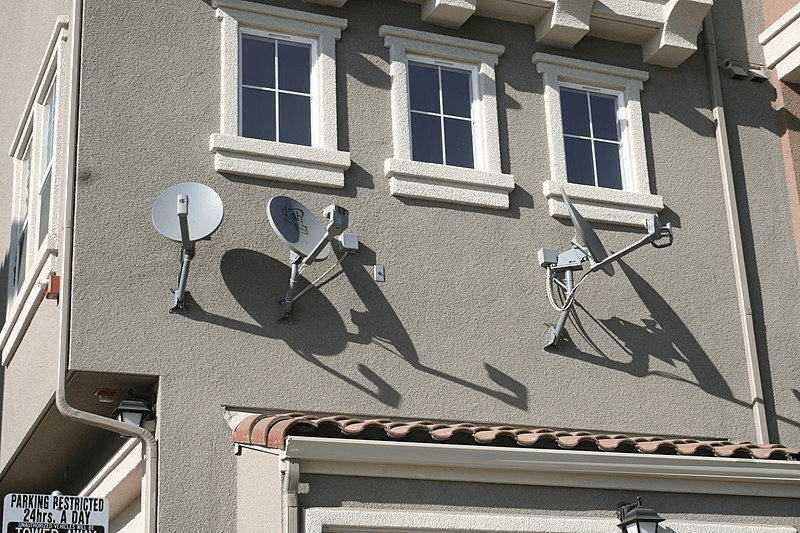
On October 31, 1960, CHAN-DT made its first broadcast. The station was founded by Art Jones of Vantel Broadcasting and initially operated as an independent station.
In 1961, the station purchased several programs from CTV, officially joining the network in 1965.
Relocation
The station initially operated from a temporary studio in downtown Vancouver. However, in 1962, it moved to a permanent studio. Around the same time, CHAN began installing relay transmitters across the province.
A New Owner
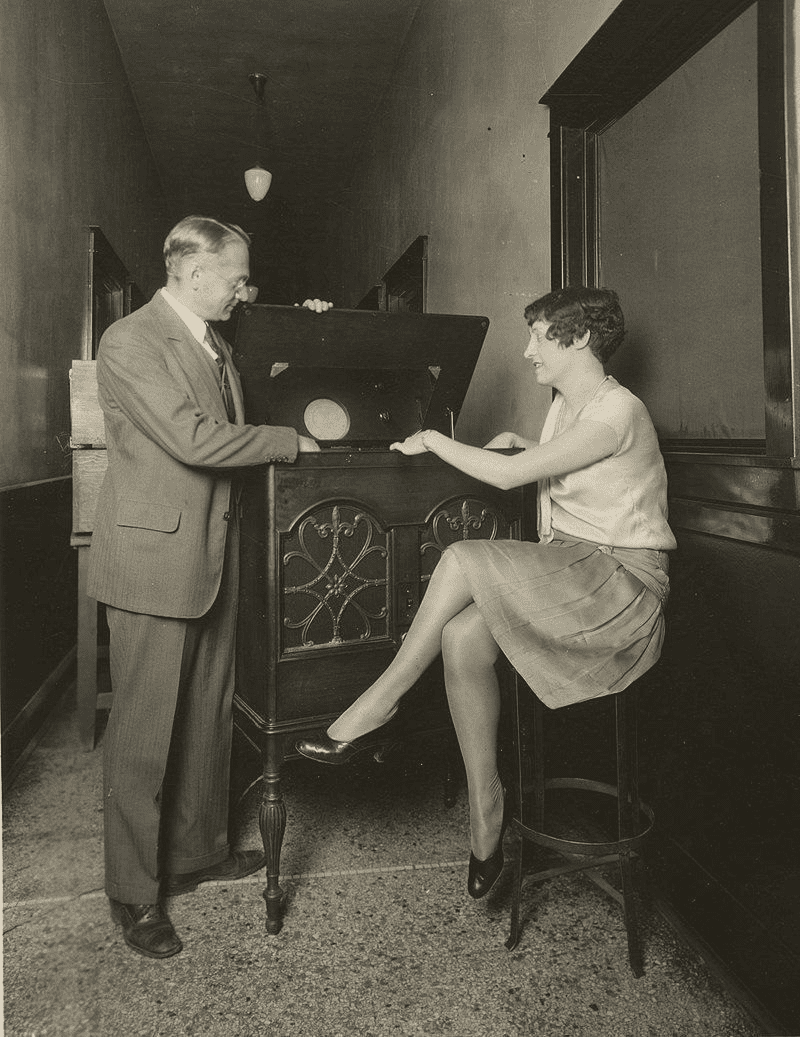
In 1963, CHAN-DT was acquired by local entrepreneur Frank Griffiths, ushering in a new era for the station. During this time, CHAN broadcast several programs from CTV. By 1981, CHAN had become a full-time affiliate of CTV, maintaining a varied programming schedule.
Sale of Shares
Western Broadcasting Communications later sold a minority stake in CHAN to Selkirk Communications. In 1986, Western Broadcasting opened a fully functional pavilion at Expo 86 in Vancouver. This pavilion allowed visitors to observe the station’s operations, including news and program production, and showcased Western Broadcasting’s radio coverage of the event.
Branding Changes
In 1971, CHAN began informally using the brand “Western Broadcasting Communications.” By 1973, this became its official brand. Under this banner, the station began airing its news programs.
CHAN’s Role as a Major Affiliate
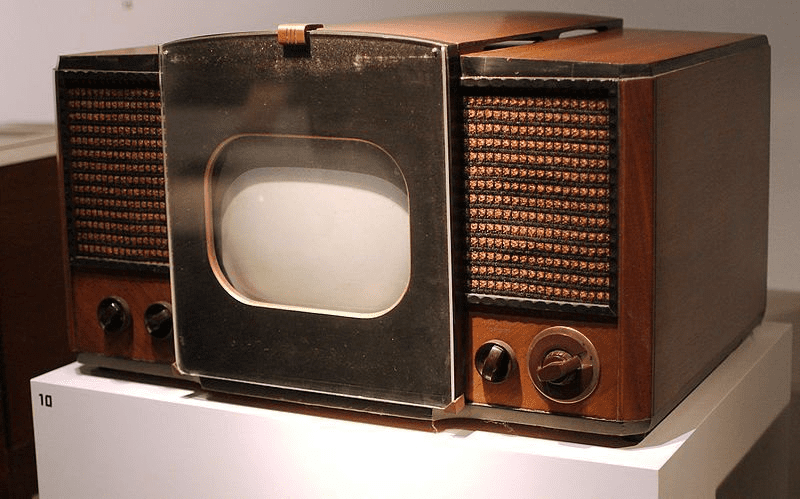
For many years, CHAN was one of CTV’s largest affiliates, serving as a cornerstone of Canadian television.
Challenges and Agreements
Until 1997, CHAN held provincial rights to popular shows sold by its parent company, CFTO. However, that year, CFTO obtained a license to operate a new Vancouver station and decided to relocate many of CHAN’s popular programs there. This move marked a significant shift in the industry.
CHAN and CTV signed a long-term agreement that ended in 1999, later extended to 2001. Under this agreement, CHAN broadcast only CTV’s basic schedule, supplementing it with local news and lower-profile programming.
The Shift to Canwest Global
In 2000, Canwest Global Communications acquired Western International Communications (WIC), making CHAN the primary Global station in British Columbia. By this time, CHAN operated over 100 transmitters across the province and had been a dominant news station for over three decades.
Contract Termination and Ownership Changes
The expiration of the CHAN-CTV agreement in 2001 brought about significant changes. CTV’s operations moved to CIVT, while CHAN retained rights to many of CTV’s popular programs. These changes led to a reshuffling of content and ownership among various Canadian networks.
Subsequent Transformations

Over the years, CHAN underwent several transformations:
- It became part of Canwest’s network, rebranding as Global BC.
- New programming initiatives and acquisitions led to the creation of CH Vancouver Island, later rebranded as CHEK News in 2007.
- Additional stations such as CHNU and NewNet expanded the reach of regional broadcasting.
Legacy and Significance
CHAN-DT’s history reflects the broader evolution of television in British Columbia. The station has remained a pivotal player in the industry, adapting to technological advancements and shifting viewer preferences. Its story is a testament to the resilience and innovation of Canadian broadcasting.
By delving into the history of CHAN-DT and television in British Columbia, we gain insight into the cultural and technological milestones that have shaped the province. It serves as a reminder of the importance of preserving and celebrating the past to better understand the present and future.