

Many people know that Vancouver’s trolleybus network is part of the TransLink system, reports vancouver-future. This system manages public transit, including the Vancouver SkyTrain, in one of Canada’s provinces.
Vancouver’s trolleybus system began its operations in 1948 with 13 routes. It has since been managed by Coast Mountain Bus Company, a subsidiary of TransLink.
In this article, using sources such as coastmountainbus, translink, and old.trolleymotion, we delve into the detailed history of Vancouver’s trolleybuses.
Beginnings
The first Vancouver trolleybus routes began regular operations on August 16, 1948. These routes primarily replaced tram lines, with the exception of the Cambie route.
Over time, other tram and motor bus routes were converted to trolleybus lines. By 1953, the system had grown to include 16 routes.
In 1955, three new trolleybus lines were added, replacing the Hastings streetcar line with a two-branch trolleybus route. This marked the system’s maximum network coverage.
Acquiring Vehicles
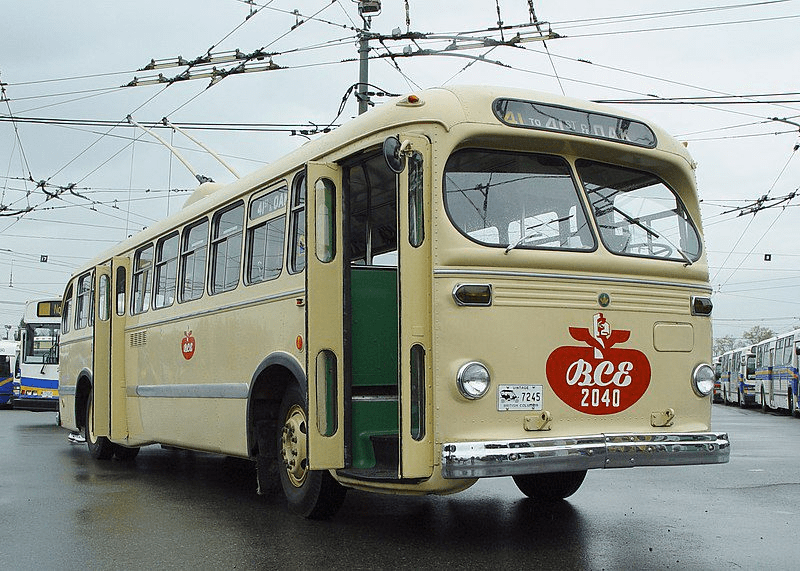
Most of Vancouver’s trolleybuses were acquired between 1947 and 1948, with larger models added from 1949 to 1954. The vehicles were supplied by the renowned Brill company.
By January 1954, when the last new trolleybus was delivered, Vancouver boasted the largest trolleybus fleet in Canada, with 327 vehicles.
Later, the city acquired Pullman-Standard trolleybuses, though they were second-hand. They began service in 1957, but drivers found them uncomfortable to operate. Consequently, they were withdrawn in 1960 and officially retired in 1961.
Subsequent Purchases
In the mid-1970s, Vancouver purchased 50 new Flyer Model E800 trolleybuses. While they featured new designs, their power systems reused components from older Brill models. These vehicles were introduced between 1975 and 1976, but their use of repurposed electrical equipment led to a shortened service life. They were retired by 1985.
During the 1980s, Vancouver acquired Flyer E901A/E902 trolleybuses, which entered service in 1982. These gradually replaced the aging Brill fleet. Once the Brill vehicles were retired, the Flyer E901A/E902 models made up almost the entire trolleybus fleet.
A Significant Event
In 1986, the construction and opening of the SkyTrain rapid transit system led to some adjustments in trolleybus routes. Certain lines were extended, while others were shortened, reflecting changes in passenger demand.
Modernization with New Models
Between 2005 and 2009, further modernization took place. New Flyer Industries was awarded the contract to supply Vancouver with new low-floor trolleybuses equipped with state-of-the-art electrical systems from German manufacturers.
By late 2008, the older Flyer E901A/E902 buses were sold to Mendoza, Argentina’s trolleybus network. Meanwhile, Vancouver’s new low-floor vehicles, delivered under the contract, transformed the system, offering improved accessibility and operational efficiency.
Conclusion
Vancouver’s trolleybus system is a cornerstone of the city’s public transit infrastructure, with a rich history of adaptation and growth. From its initial routes in 1948 to the adoption of advanced technologies in recent years, the system continues to evolve, serving as a vital mode of transportation for residents and visitors alike.