

The Port of Vancouver is Canada’s largest and North America’s fourth-largest port by volume of cargo. It opens the country to over 170 global economies and plays a key role in international trade. The port is managed by the Vancouver Fraser Port Authority (VFPA), which was created in 2008 following the merger of the Vancouver Port Authority, the North Fraser Port Authority, and the Fraser River Port Authority. The VFPA is responsible for coordinating marine traffic and managing port and marine lands in Metro Vancouver. Read more on vancouver-future.
The Birth of the City’s Export Hub
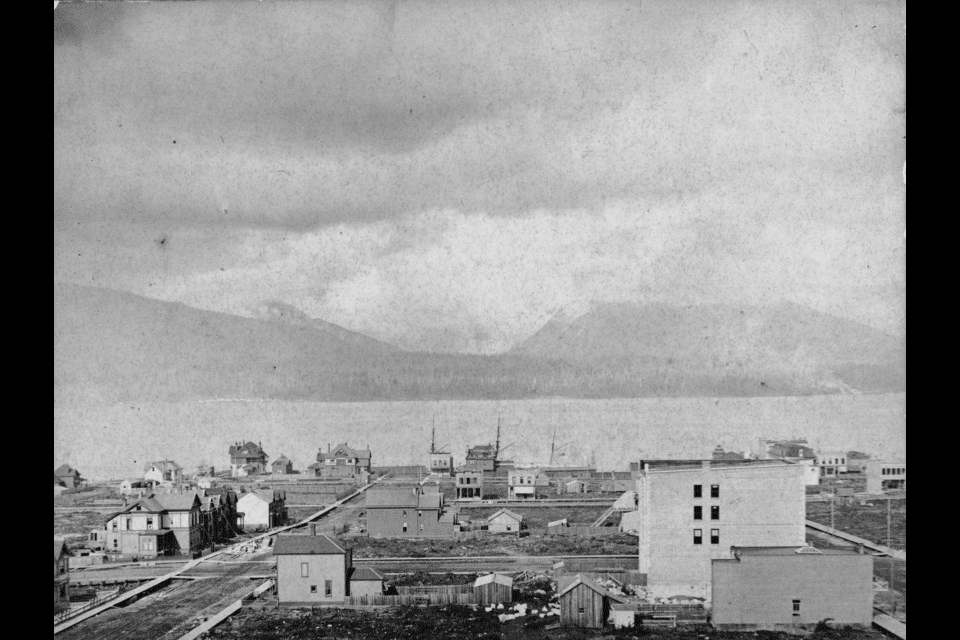
The history of exports from Vancouver dates back to the second half of the 19th century, when sawmills began appearing on the shores of Vancouver Harbour. Lumber was the primary export commodity at the time. Significant growth in cargo volumes began with the construction of the transcontinental railway, and the opening of the Panama Canal further accelerated this trend. Thanks to low freight rates in the early 20th century, Vancouver became a convenient logistics hub for exporting grain and other goods to Europe and Asia. The port’s subsequent rapid development was only possible due to the abolition of differentiated freight rates for goods transported by rail through the Rocky Mountains. This allowed for a substantial increase in export volumes from Canada’s West Coast.
From Commission to Canada’s Largest Port
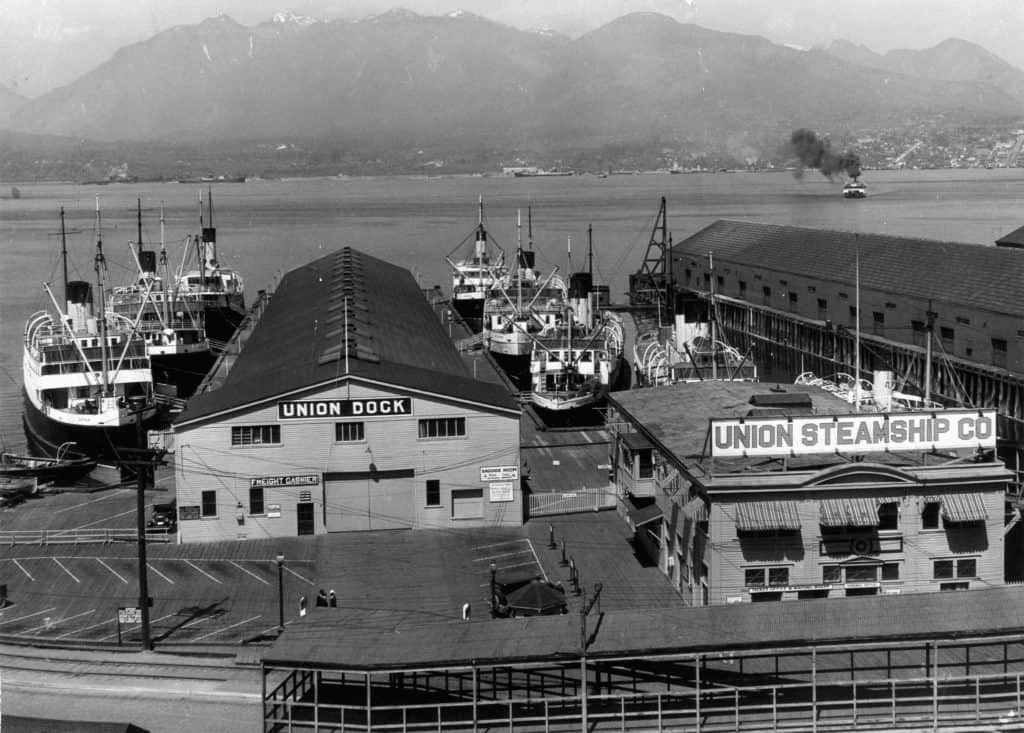
The Vancouver Harbour Commission was established by the Canadian government in 1913 to manage the Port of Vancouver’s infrastructure. The Commission was granted broad powers, including regulating navigation in the harbour and managing port facilities. Under its supervision, important infrastructure was developed, notably the Ballantyne and Lapointe piers, the government grain terminal, and elevators. It was during this period that Vancouver acquired its first grain terminal, contributing to the city’s rapid growth as a powerful port centre. As a result, the Port of Vancouver became the second largest in Canada, after Montreal.
The 1920s and 1930s were crucial for the development of grain exports. The expansion of the Canadian grain market in Asian countries and the opening of the Panama Canal significantly strengthened Vancouver’s position. Furthermore, the expansion of wheat farming to the west and north of the Prairies created favourable conditions for rail transport of harvests to the Port of Vancouver.
In 1936, the functions of the Vancouver Harbour Commission were taken over by the National Harbours Board (NHB). Until 1983, this body was responsible for coordination, strategic planning, and the development of port infrastructure in major Canadian ports. It was during this period that Vancouver surpassed Montreal to become the country’s leading port, while also increasing the export volumes of other bulk cargoes such as sulphur, coal, and potash. In 1983, the NHB was replaced by the Canada Ports Corporation, which subsequently gave way to the new regulatory system defined by the Canada Marine Act of 1998. This Act allowed for the creation of independent governing bodies for individual ports. In Vancouver, this function is carried out by the Vancouver Fraser Port Authority.
The Vancouver Fraser Port Authority (formerly known as Port Metro Vancouver) is responsible for managing federal port lands in the Vancouver region. It is a financially independent company, accountable to the federal Minister of Transport, operating under the provisions of the Canada Marine Act. Together with port terminals and tenants, it ensures the efficient movement of goods and passengers, integrating sustainable development principles into all aspects of its operations.
As of 2014, the Port of Vancouver ranked fourth among ports in the Americas by tonnage, 29th globally by total cargo volume, and 44th by container traffic. Additionally, the port handles approximately $240 billion in trade and supports 115,300 jobs, generating $7 billion in wages and $11.9 billion in GDP across Canada.
Key Initiatives and Projects
The Container Capacity Improvement Program (CCIP) is the Port of Vancouver’s strategic plan aimed at meeting the growing needs for container shipping, volumes of which are forecast to triple by 2030. The program involves both optimizing existing infrastructure and creating new facilities to meet rising demand. Key CCIP projects include the Deltaport Terminal Road and Rail Improvement Project (DTRRIP) and the construction of the new Roberts Bank Terminal 2.
The DTRRIP project involves upgrades that will increase Deltaport’s container capacity by 600,000 TEUs (twenty-foot equivalent units) without expanding the terminal footprint. Meanwhile, Roberts Bank Terminal 2 is a prospective marine container terminal that will provide an additional capacity of 2.4 million TEUs annually, exactly covering the demand until 2030.
The Consolidation of Vancouver Ports
Despite the financial autonomy of the ports, the system of regulating their activities through separate port authorities led to inefficiencies, as these bodies were forced to compete for business. The problem became particularly evident in 2006 when it was revealed that the expanded Fraser Surrey Docks, managed by the Fraser River Port Authority in New Westminster, was left without business after its main partner, CP Ships, moved to the Port of Vancouver, which was already reaching its capacity limits. Some critics opposed the potential merger, fearing that the new body would not be able to accommodate the specific needs of the Fraser River.
With the aim of improving the efficiency of the ports in the Metro Vancouver region, the federal Minister of Transport authorized a study in June 2006 on the possibility of merging the three port authorities. The report prepared based on this study highlighted numerous advantages of consolidation. Consequently, on December 21, 2007, the Government of Canada published a certificate allowing the merger of the three port authorities into one, effective January 1, 2008. This is how Port Metro Vancouver was created.
Infrastructure Development and Environmental Initiatives at the Port of Vancouver
The Port of Vancouver is a vital link in global supply chains as it has access to several strategic trade routes. An important aspect is its role in developing trade with Asia, which has contributed to cargo volume growth since the Canadian Pacific Railway began operating. The Port of Vancouver actively develops container shipping infrastructure and strives to adapt to the increasing demands of international trade.
Additional initiatives worth noting include the port’s environmental sustainability program, under which significant efforts are made to minimize ecological impact. The port actively works to reduce CO2 emissions and other pollutants and invests in renewable energy sources. Another important point is the continuous updating of technology, particularly in the automation of port processes, which helps increase operational efficiency and reduce cargo handling time.