

As many of you may already know, Vancouver is divided into smaller neighbourhoods, writes vancouver-future. Each has its own name, culture, and population. Naturally, every neighbourhood also boasts its own unique history.
In this article, based on videorealtybc.com, we will share historical insights about Vancouver’s neighbourhoods.
Arbutus Neighbourhood
This neighbourhood emerged when Vancouver authorities began constructing the Vancouver-Steveston Interurban route, which operated between 1905 and 1958.
The historic St. Mary’s Kerrisdale Church in Arbutus was built in 1913.
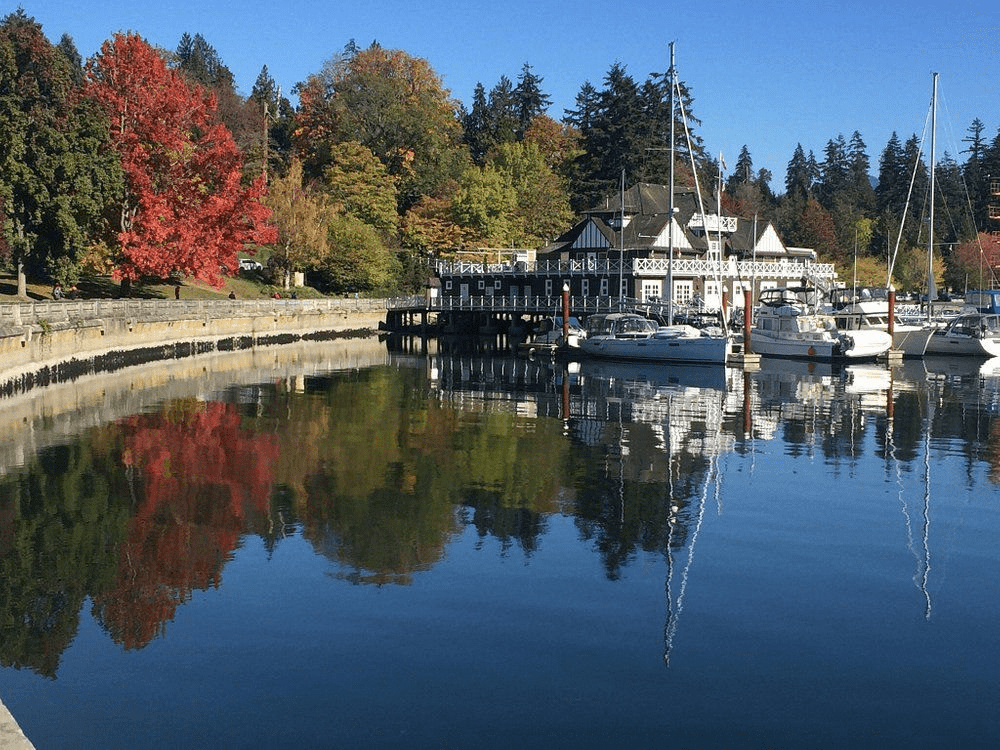
The neighbourhood occupies one of the city’s slopes, known for its stunning mountain views.
In a few words, Arbutus can be described as a wealthy, quiet, and cosy area. It features numerous restored historic homes and parks, as well as abundant greenery.
Kerrisdale
In 1905, this neighbourhood was named after one of the towns in Scotland.
Kerrisdale is renowned for its large estate homes, pastoral landscapes, and horse farms.
It is a diverse area with a mix of new houses, older bungalows, and affordable apartment buildings. This diversity reflects the varied social statuses of its residents, ranging from wealthy individuals and retirees to students and low-income families. Ethnically, Kerrisdale is predominantly home to Europeans and Asians.
Initially part of the Point Grey municipality, Kerrisdale later merged with South Vancouver.
In 1929, a district school was opened, housed in a historic Gothic-style building. The school is distinguished by its in-depth curriculum in mathematics, biology, physics, psychology, and English.
Oakridge
Oakridge began its development and construction after the end of World War II, with the exception of a hospital and a golf course building, which were built in 1926.
In the post-war period, construction of the Jewish Community Centre began, offering numerous cultural, educational, recreational, and social programs.
The most active construction phase took place in the 1950s and 1960s, primarily featuring single-family bungalows.
In 1959, the neighbourhood saw the opening of a shopping mall.
Interestingly, most Oakridge residents speak Chinese as their first language.
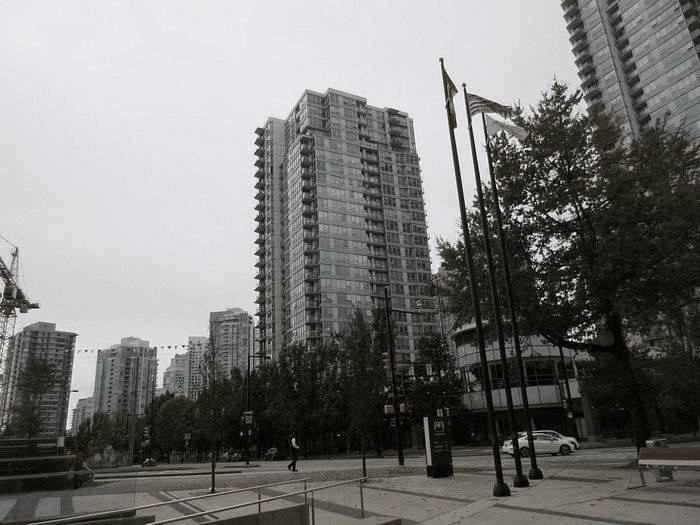
In 1970, Langara College opened as a university campus. By 1994, it became an independent institution, offering programs in business, science, technology, and the arts.
Dunbar
Dunbar is known for its large mansions and farmland, particularly horse farms. The neighbourhood’s development began in 1912, coinciding with the construction of the university and residential homes.
In 1927, three streetcar lines were introduced.
Many luxurious and unique homes have been preserved in nearly their original condition, with 21 buildings officially designated as historic.
In the southern part of Dunbar lies the Musqueam Indian Band. Archaeologists believe the area has been inhabited for 400 years. The first settlers arrived in 1863.
Overall, Dunbar is a mixed-use neighbourhood with commercial and residential zones featuring tree-lined streets and vibrant flowers, including cherry blossoms.
The area boasts eight parks, the largest being Musqueam Park, which spans 22 hectares.
Additionally, the western part of Dunbar includes the vast Pacific Spirit Regional Park, offering extensive trails for horseback riding and hiking.
Dunbar-Southlands is also home to golf courses that have hosted Canadian and international tournaments.
Marpole
Established in 1916, Marpole initially served as an industrial centre with sawmills and gravel pits. While its industrial roots remain, Marpole has since added entertainment and shopping districts.
Marpole is also home to the ancient Musqueam Village, the largest archaeological settlement discovered in the region.
In 1933, this site was designated a National Historic Centre.
Kitsilano
Kitsilano is a bustling area filled with shops, restaurants, and markets along its numerous commercial and entertainment streets.
Kitsilano Beach Park is incredibly popular, especially in summer, as it features Vancouver’s longest outdoor pool, the only one in the city filled with seawater.
The Vancouver Maritime Museum, opened in 1959, is one of Canada’s oldest and most prominent maritime museums. It houses over 170,000 exhibits related to Canada’s maritime history, including ship models, navigation equipment, tools, maps, drawings, sketches, and photographs.
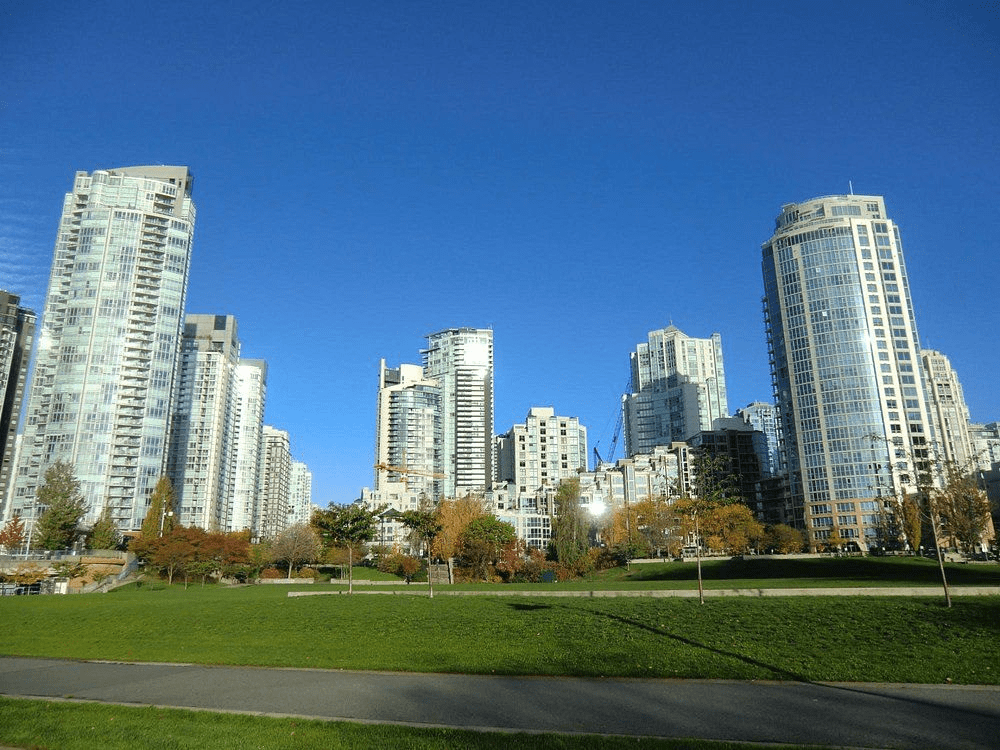
The museum also features a children’s Discovery Centre, an excellent library, an archive, and a workshop where visitors can watch ship models being built. It frequently hosts educational events for schoolchildren, students, and the general public.
Shaughnessy
Shaughnessy is often considered a residential neighbourhood, with many of its homes being historic, as most were built before World War II.
Construction began in 1907, commissioned by the Canadian Pacific Railway, which at the time also acted as a construction company.
Shaughnessy is home to three prestigious schools:
- Little Flower Academy – This private school for girls was founded in 1927. Nearly all graduates go on to university. The school uniform is burgundy and white. Before its renovation in 2005, the school was listed in the Guinness World Records for its outwardly bulging windows.
- Vancouver College – A private Catholic school for boys, established in 1922. It is unique in accepting students from various faiths. The school has both winter and summer uniforms.
- York House School – A private girls’ school founded during the Great Depression in 1932. The school maintains Shaughnessy traditions, offering a high-quality, well-rounded education that includes music, drama, painting, singing, and dancing. Its uniform features green and gold colours.
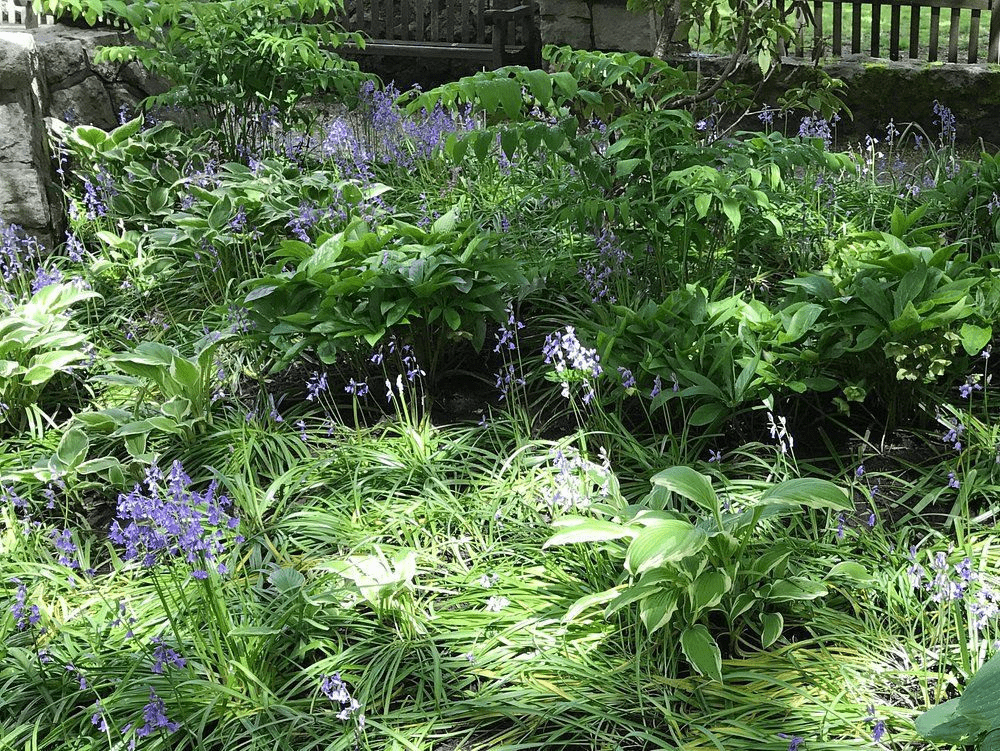
In 1975, Shaughnessy saw the opening of a botanical garden featuring a wide variety of plants, including camellias, magnolias, maples, ferns, rhododendrons, and more. The garden also boasts a collection of sculptures, ponds, and gazebos.
Vancouver’s neighbourhoods, each with its distinct character and rich history, reflect the city’s cultural diversity and architectural heritage. From historic schools to lush parks and iconic museums, every area offers a unique glimpse into Vancouver’s past and present.